The short answer
NextLevel AC Repair Service repairs gas furnaces, heat pumps, and wall furnaces in Sunnyvale homes, from ignition failures to cold air and short cycling. We diagnose the cause, explain your options before starting work, and give you an honest read on whether repair or replacement makes more sense.
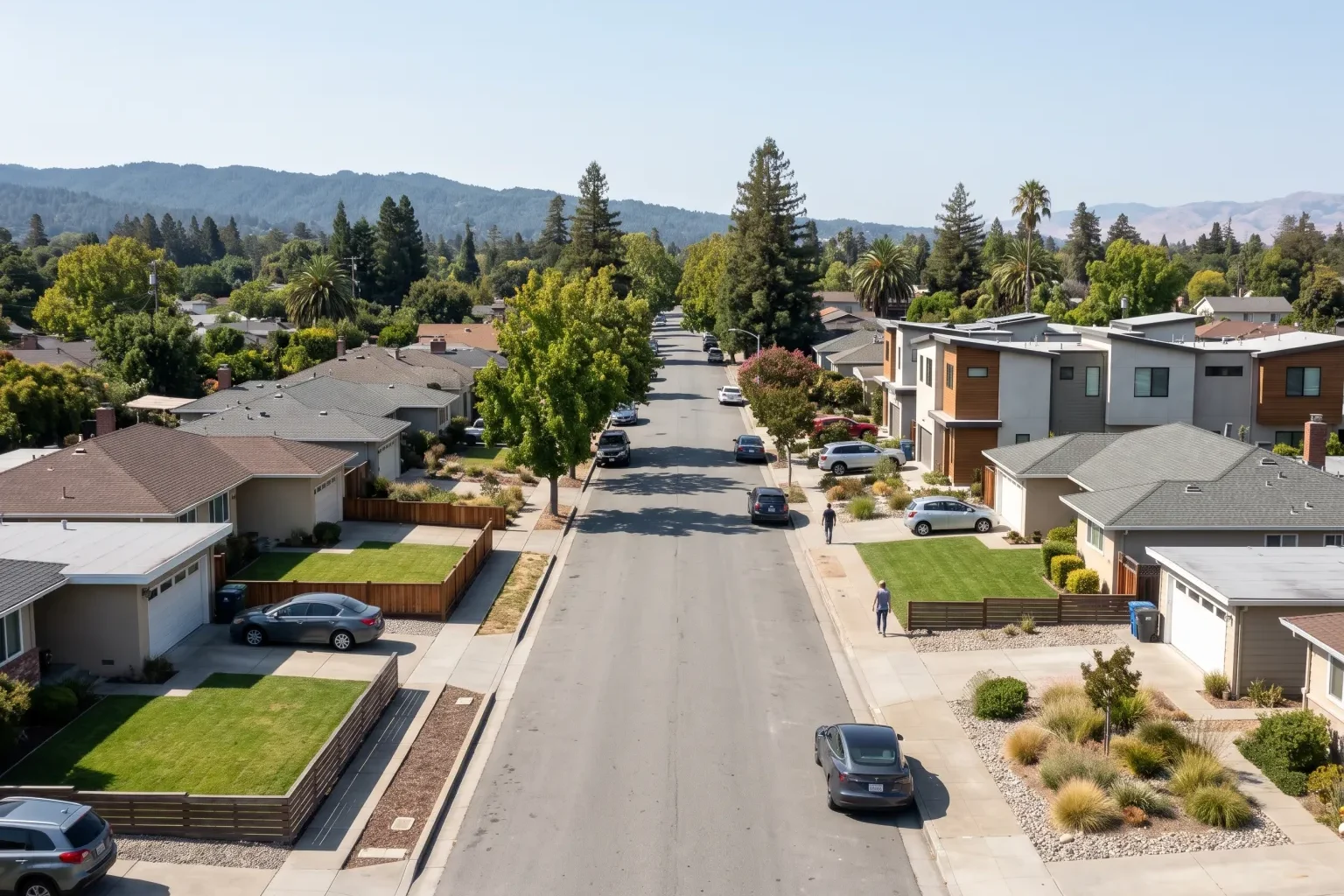
Sunnyvale winters are mild, but the cold, damp mornings from late fall through early spring are when a furnace or heat pump that has sat idle most of the year tends to show its problems. NextLevel AC Repair Service travels from our base in San Jose, about 18 miles to the southeast, to repair heating systems in homes across Sunnyvale, including ZIP codes 94085, 94086, 94087, and 94089. We find the actual cause, explain it in plain terms, and fix it so your home stays comfortable through the rainy season.
Why Heating Problems Show Up in Sunnyvale Homes
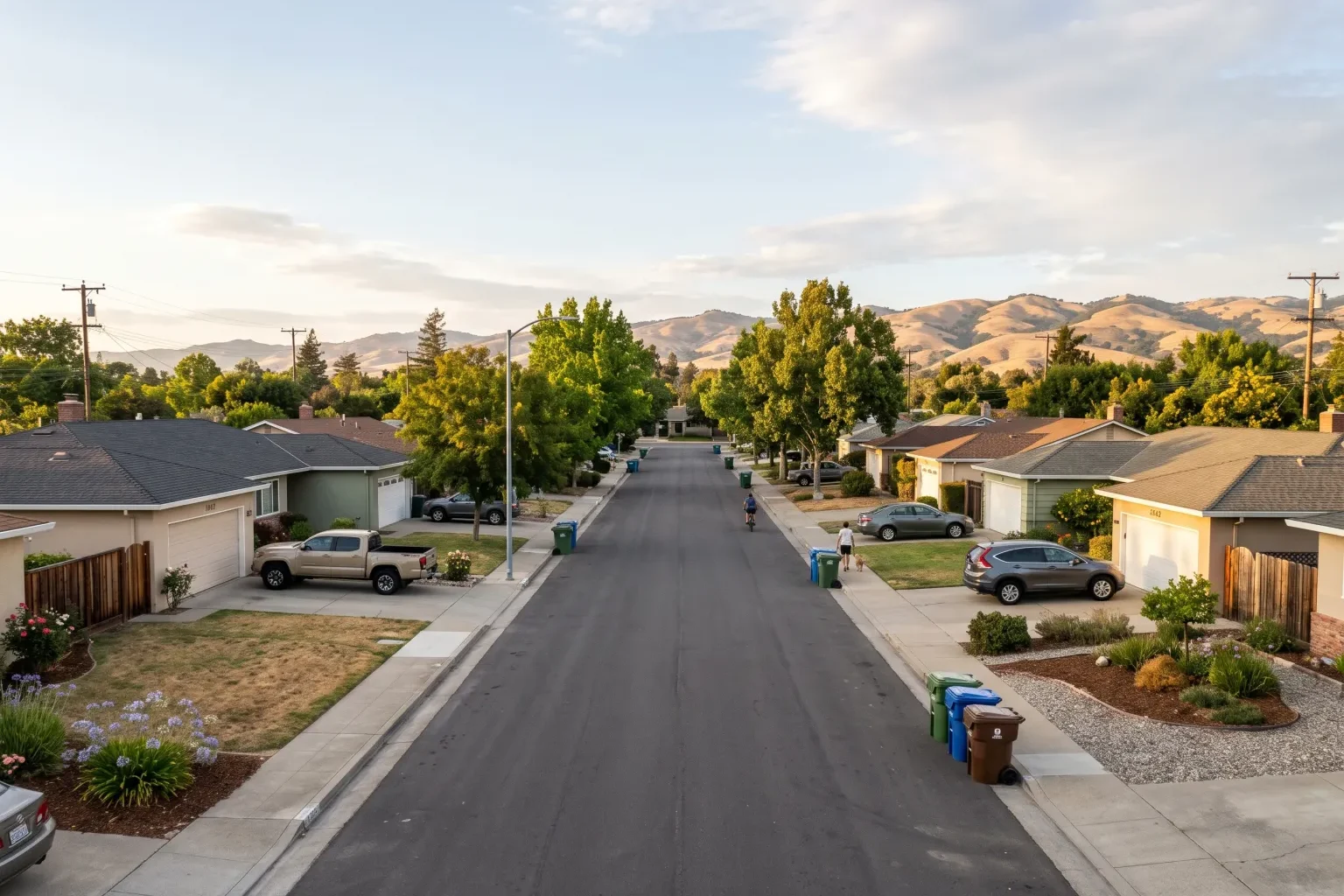
The Santa Clara Valley has a Mediterranean climate with dry summers and mild, damp winters. Sunnyvale sits closer to the Bay than the hotter inland and southern parts of the valley, but winter nights still get chilly enough that most homes need steady heat for a few months. That pattern is hard on heating equipment in a specific way: the system sits unused from spring through fall, then has to run every morning and evening once the weather turns.
Long idle stretches let dust collect on burners and flame sensors, and a filter that wasn't changed after summer can restrict airflow the first time the blower starts. Short, frequent heating cycles also wear igniters and relays faster than fewer, longer runs would. Many of the fall repair calls we see trace back to these issues rather than a major failure.
Common Heating Problems We Repair
Whether your home has a gas furnace, a heat pump, or a wall or floor furnace, these are the problems we fix most often:
- Furnace won't ignite, or lights briefly and shuts off, often from a dirty flame sensor or failed igniter
- Blower runs but the air from the vents is cool or lukewarm
- Heat pump iced over, stuck in defrost, or blowing cold air in heating mode
- System short cycles, turning on and off every few minutes
- Thermostat not calling for heat, or the system not responding to its settings
- Banging, squealing, or rattling from the furnace cabinet or ductwork
- Uneven heat, with some rooms much colder than others
- Tripped breakers or blown fuses on the furnace or air handler circuit
How a Heating Repair Visit Works
We start by asking what you've noticed: when the problem began, whether it happens every cycle or only sometimes, and any noises or smells. Then we check the system from the thermostat through the equipment, including the filter, electrical connections, ignition sequence, burners or coils, blower, and venting. On gas furnaces we also look at combustion and the flue to confirm exhaust is leaving the house the way it should.
Once we know the cause, we explain it and go over your options before doing any work. Many repairs, such as replacing an igniter, flame sensor, capacitor, or control board, can be finished in the same visit when the part is on hand. If a part has to be ordered, we tell you what to expect and make sure the system is left in a safe condition in the meantime.
Repair or Replace? What Local Rules Mean for Your Furnace
Most heating problems are worth repairing, and the Bay Area Air District appliance rules do not require you to replace working equipment. They only apply when an existing furnace fails or is replaced.
Planning ahead still helps. Under Air District Rule 9-4, natural gas furnaces manufactured from 2029 must meet a zero-NOx emission standard, which in practice points homeowners toward heat pumps when a furnace is replaced after that date. If your furnace is older and needs frequent repairs, we'll give you a straight assessment of its condition so you can decide on your own timeline.
If you're weighing a heat pump, note that the federal Energy Efficient Home Improvement Credit (25C) only covered qualifying systems placed in service before December 31, 2025, so it isn't available for new installations. Bay Area homeowners can check BayREN and their local clean energy provider for current electrification incentives. Amounts and availability change by funding cycle, so we confirm the current offer before including it in any quote.
When to Shut the System Off, and Where We Work
Some heating problems shouldn't wait. If you smell gas, leave the house and contact your gas utility or 911 from outside. If a carbon monoxide alarm sounds, get everyone outdoors and call emergency services. Turn the system off and schedule a repair if you smell burning, see scorch marks near the furnace, or notice the burner flame looks yellow and wavering instead of steady blue.
We repair heating systems in homes throughout Sunnyvale, and we also serve nearby Santa Clara, Cupertino, Saratoga, Milpitas, and Campbell.
More services in Sunnyvale
- AC Repair in Sunnyvale
- Heat Pump Installation in Sunnyvale
- AC Installation in Sunnyvale
- Furnace Repair in Sunnyvale