The short answer
NextLevel AC Repair Service repairs gas furnaces in Sunnyvale homes, from ignition and flame sensor failures to blower, airflow and venting problems. You don't have to replace a working furnace under Bay Area Air District rules. We'll help you decide whether to repair or replace based on your system's condition.
When your furnace stops heating on a damp Sunnyvale evening, you want to know what's wrong and whether it's safe to keep running. NextLevel AC Repair Service handles furnace repair for homes across Sunnyvale, including the 94085, 94086, 94087 and 94089 ZIP codes. We drive up from our San Jose base to find the actual cause, explain it in plain terms, and fix it. If a repair doesn't make sense, we'll tell you and lay out your options, including what current Bay Area Air District rules mean for your decision.
Why Sunnyvale Furnaces Tend to Act Up
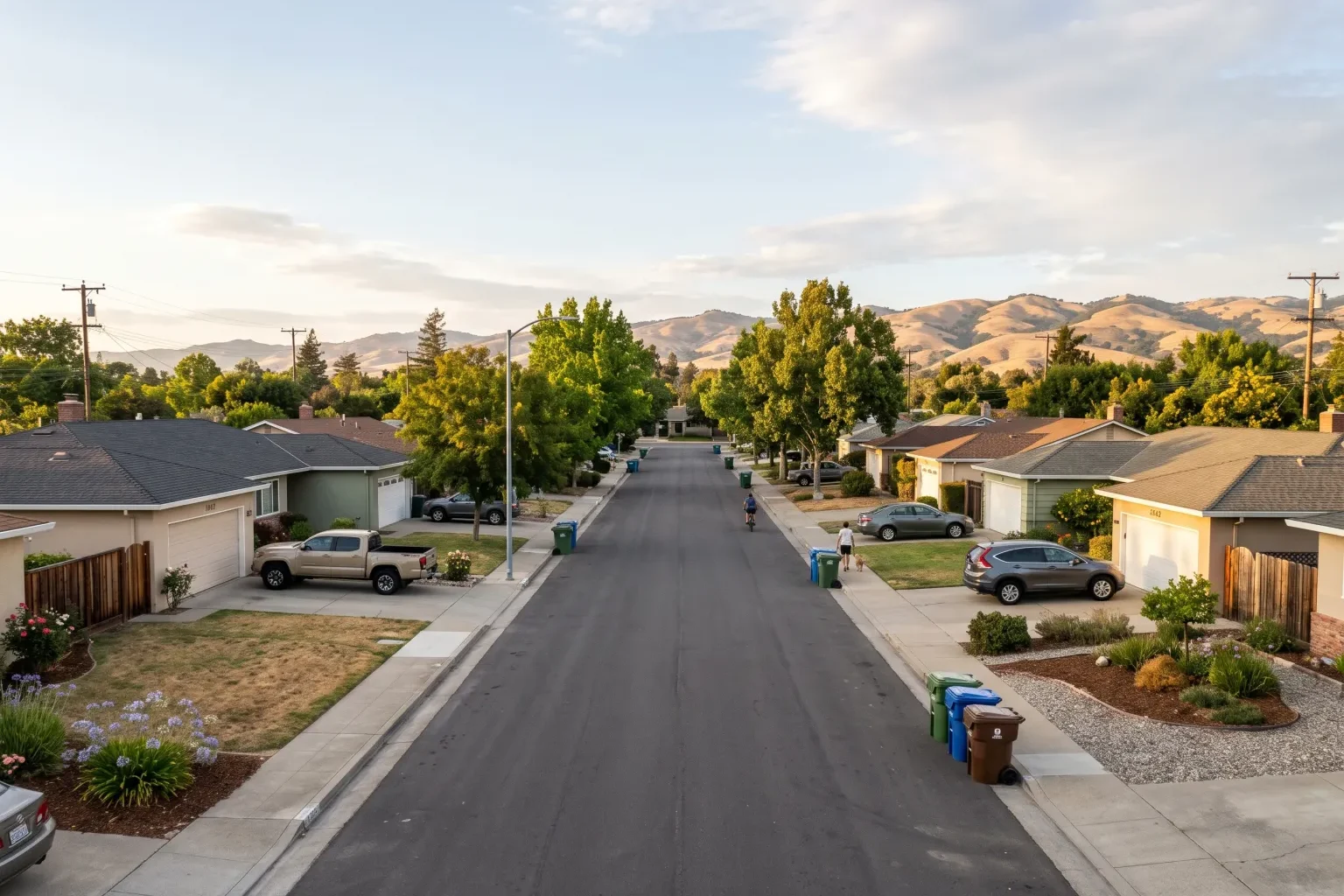
The Santa Clara Valley has dry summers and mild, damp winters. In Sunnyvale, closer to the Bay, a furnace often sits unused for months and then runs hard during a cold, wet stretch. That on-and-off pattern causes its own problems. Dust settles on burners and sensors over the summer. Filters get forgotten. Small issues like a weak igniter or a sticky inducer motor don't show up until the first chilly night of the season.
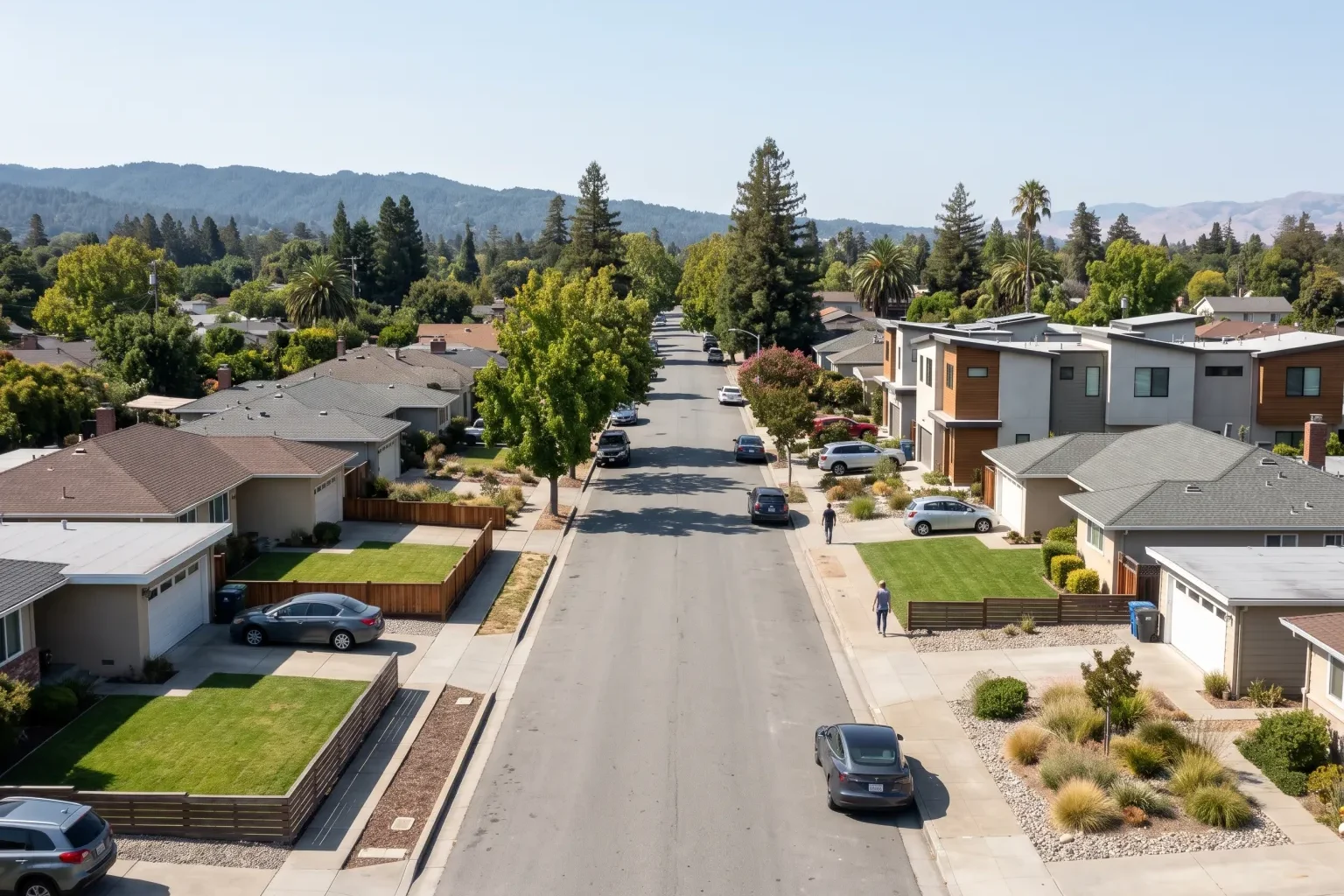
Many homes in the area also have furnaces in tight attics, garages or hallway closets. Those spots can limit airflow and make venting problems harder to notice. We look at the furnace and the space around it, because both affect how the system runs.
Furnace Problems We Diagnose and Repair
Most furnace calls come down to a short list of causes. We test each component instead of guessing, so you're not paying for parts the furnace didn't need.
- Furnace won't ignite, or lights and then shuts off after a few seconds (often a dirty flame sensor or failing igniter)
- Blower runs but the air coming out is cool
- Short cycling, where the furnace turns on and off too often
- Inducer motor or pressure switch faults that stop the startup sequence
- Loud banging, squealing or rattling from the burners or blower
- Error codes or flashing lights on the control board
- Weak airflow from clogged filters, blower problems or duct restrictions
- Thermostat wiring or settings that keep the furnace from getting the call for heat
What Happens During a Repair Visit
We start by asking what you've noticed: when the problem started, any sounds or smells, and whether it happens every time or only sometimes. Then we check the thermostat, filter, ignition sequence, burners, flame sensor, inducer, pressure switch, blower and venting.
Gas furnaces also need a safety check. We inspect the venting and look for signs of heat exchanger trouble, since a cracked heat exchanger can let combustion gases into your home's air. Before any work starts, we explain what we found, what we recommend, and why. You decide how to proceed.
Repair or Replace: What Bay Area Rules Mean for You
You may have heard that the Bay Area is phasing out gas furnaces. Here is what the Air District rule actually says. Under Rule 9-4, natural gas furnaces manufactured from 2029 onward must meet a zero-NOx emission standard. In practice, that points homeowners toward heat pumps when they replace a furnace after that date. The rule does not require you to replace working equipment. It applies only when an existing furnace fails or is replaced. If your furnace can be repaired safely and for a sensible cost, repairing it is a perfectly reasonable choice.
If your furnace is older, needs frequent repairs, or has a serious problem like a failing heat exchanger, it may be time to think about a heat pump. The federal 25C tax credit for heat pumps no longer applies to new installations, since it only covered systems placed in service before December 31, 2025. Bay Area homeowners can still check BayREN and their local clean energy provider for heat pump and electrification incentives. Those programs change with each funding cycle, so we confirm what's currently offered before we include it in any quote.
When to Shut the Furnace Off
Some problems shouldn't wait. If you smell gas, leave the house and call your gas utility from outside. If your carbon monoxide alarm sounds, get everyone outside and call emergency services. Turn the furnace off and schedule service if you see scorch marks, notice a burning smell that doesn't fade after the first few minutes of the season, or the furnace keeps tripping a breaker.
More services in Sunnyvale
- AC Repair in Sunnyvale
- Heating Repair in Sunnyvale
- Heat Pump Installation in Sunnyvale
- AC Installation in Sunnyvale