The short answer
A heat pump is a strong fit for most Sunnyvale homes because the mild, damp winters and dry summers are well within what modern heat pumps handle efficiently. You don't have to replace a working furnace, but Bay Area Air District rules for furnaces made from 2029 point toward heat pumps, so many homeowners plan the switch before their current system fails.
If your Sunnyvale home still runs on a gas furnace, or has an aging air conditioner, a heat pump can replace both with one electric system that heats in winter and cools in summer. NextLevel AC Repair Service installs heat pumps in homes across Sunnyvale, about 18 miles northwest of our San Jose base. This page covers what makes a heat pump a good fit here, how regional furnace rules affect your timing, what we check before installing, and where to look for current incentives. We focus on getting the sizing and setup right for your house, not on selling the biggest unit.
Why Heat Pumps Suit Sunnyvale Homes
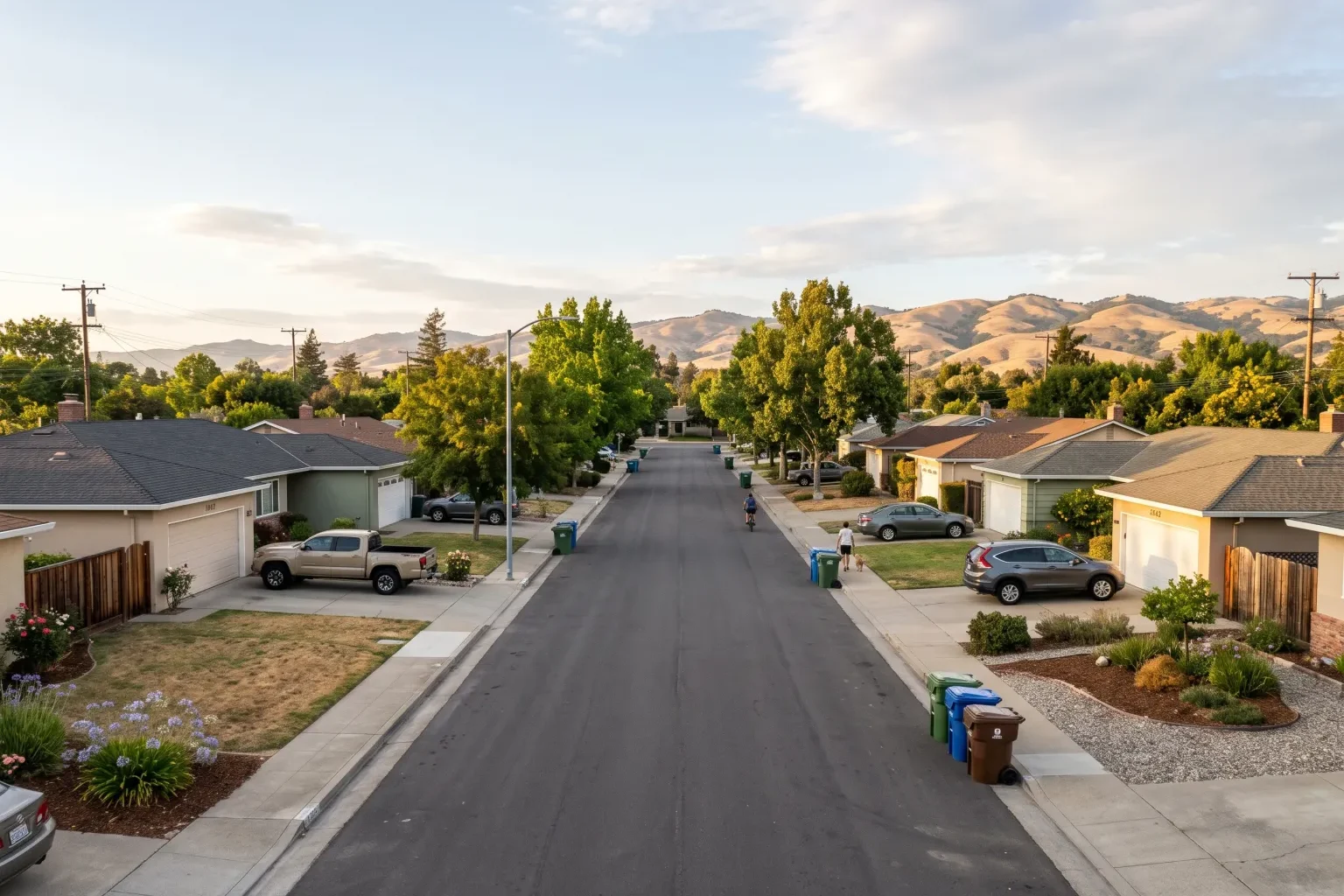
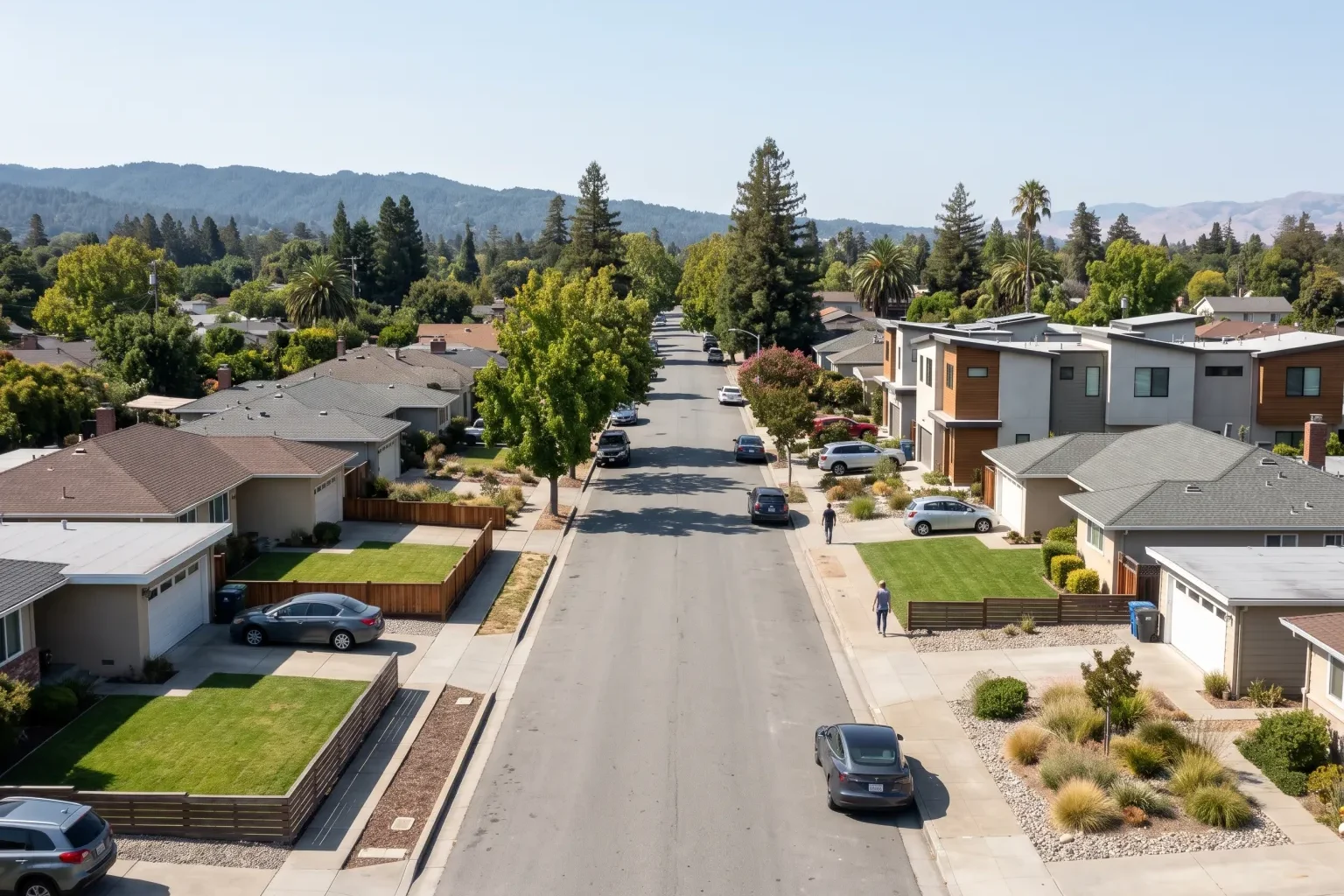
The Santa Clara Valley has a Mediterranean climate: dry summers and mild, damp winters. Sunnyvale sits in the northern part of the valley closer to the Bay, where summers are usually less intense than in the hotter inland and southern areas. That combination works well for a heat pump. It rarely has to fight extreme cold, so it can heat efficiently through the winter, and it still gives you real cooling on warm afternoons.
Many Sunnyvale houses were built with a gas furnace and either no central air or an air conditioner added later. A heat pump replaces both functions with one outdoor unit and one indoor air handler or set of indoor heads. For homeowners who have been getting by with fans in summer, it adds cooling without a separate system to maintain.
How the Air District Furnace Rules Affect Your Timing
Under Bay Area Air District Rule 9-4, natural gas furnaces manufactured from 2029 must meet a zero-NOx emission standard. In practice, that points homeowners toward heat pumps when they replace a furnace after that date.
The rules do not require you to tear out working equipment. They only come into play when an existing furnace fails or is replaced. Still, if your furnace is getting older, it can make sense to plan a heat pump installation on your own schedule rather than making a rushed decision during a winter breakdown. We can look at your current system and give you an honest read on whether it has years left or whether planning now is the smarter move.
What We Check Before Installing
A heat pump that is too large cycles on and off and handles humidity poorly. One that is too small runs constantly. We size the system to your house, not to a rule of thumb based on square footage alone.
Before recommending equipment, we look at:
- Heating and cooling load, based on insulation, windows, layout, and which rooms get afternoon sun
- Existing ductwork condition, sizing, and leaks, since a heat pump depends on good airflow
- Electrical panel capacity and whether a dedicated circuit or panel work is needed
- Outdoor unit placement, including clearance, noise toward bedrooms and neighbors, and drainage
- Whether a ducted system, ductless mini-splits, or a mix fits your home best
What Installation Day Looks Like
Once the plan is set, we walk you through the scope so there are no surprises. A typical installation follows these steps, though the details depend on your home and the system you choose:
- Disconnect and remove the old furnace, air conditioner, or both
- Set the outdoor unit on a level pad or approved mounting
- Install the indoor air handler or ductless heads and connect refrigerant lines
- Make electrical connections and seal or adjust ductwork as needed
- Start up the system, check refrigerant charge and airflow, and test heating and cooling modes
- Show you how to use the thermostat and what routine filter care looks like
Incentives and Tax Credits
The federal Energy Efficient Home Improvement Credit (25C) covered qualifying heat pumps placed in service before December 31, 2025. It is not available for new installations after that date, so be cautious of older articles that still mention it.
Sunnyvale homeowners can check BayREN and their local clean energy provider for current heat pump and electrification incentives. Amounts and availability change by funding cycle, so we confirm the current offer before including it in any quote.
Serving Sunnyvale and Nearby Cities
We install heat pumps throughout Sunnyvale, including ZIP codes 94085, 94086, 94087, and 94089, in Santa Clara County. We also serve nearby Santa Clara, Cupertino, Saratoga, Milpitas, and Campbell. Contact us to schedule an in-home assessment and get a recommendation based on your actual house.
More services in Sunnyvale
- AC Repair in Sunnyvale
- Heating Repair in Sunnyvale
- AC Installation in Sunnyvale
- Furnace Repair in Sunnyvale