The short answer
Most homes should have the cooling side checked each spring and the heating side each fall. Heat pumps do both jobs, so they need both checks. A maintenance visit cleans, tests, and adjusts your system so it runs safely and efficiently, and it flags small problems before they become expensive repairs.
Most heating and cooling problems in San Jose homes don't start with a sudden breakdown. They start small: a clogged filter, a dirty coil, a weak capacitor, or a condensate drain that slowly backs up. Regular maintenance catches those issues before they turn into a no-cooling call on a hot afternoon or a cold house on a damp January night. NextLevel AC Repair Service maintains central air conditioners, heat pumps, and gas furnaces for homeowners in San Jose and nearby cities such as Santa Clara, Campbell, Milpitas, Cupertino, and Los Gatos. This page covers when your system is due, what we check, how we approach repair-versus-replace questions, what affects the cost, and what to expect when a technician arrives.
Signs Your System Needs Maintenance
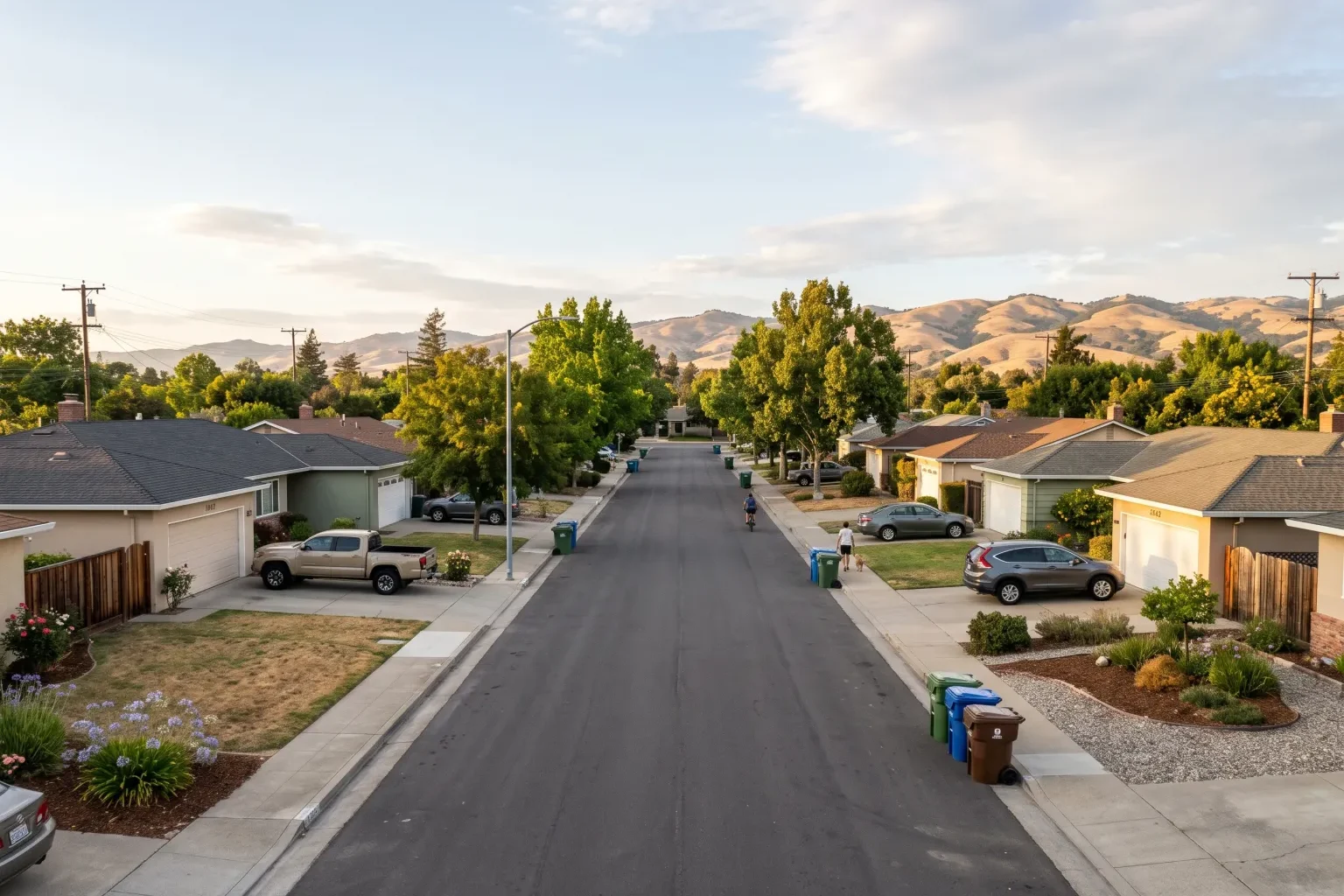
The Santa Clara Valley has a Mediterranean climate with dry summers and mild, damp winters. Inland and southern parts of the valley run noticeably hotter in summer than neighborhoods near the Bay, so air conditioners there run longer and harder. In winter, furnaces and heat pumps often sit idle for weeks and then get switched on during a cold snap. Both patterns favor a check-up before each season starts.
If it has been more than a year since your last service, you're likely due. Schedule sooner if you notice any of these:
- Rooms that don't reach the thermostat setting, or hot and cold spots that weren't there before
- Weak airflow from the vents
- The system turning on and off in short, frequent cycles
- Rising electric or gas bills without a change in how you use the system
- New noises, such as rattling, squealing, grinding, or loud clicking
- Water pooling near the indoor unit or a musty smell from the vents
- Ice on the refrigerant lines or outdoor coil
- A burning or dusty smell that lingers past the first few minutes of heating
What We Check on a Maintenance Visit
A maintenance visit is more than a filter change. Our technician inspects, cleans, and tests the major parts of your system, then tells you what they found in plain language. The exact checklist depends on whether you have an air conditioner, a furnace, a heat pump, or a combination.
- Air filter condition and size, with a replacement if you have one on hand or request one
- Thermostat operation, settings, and calibration
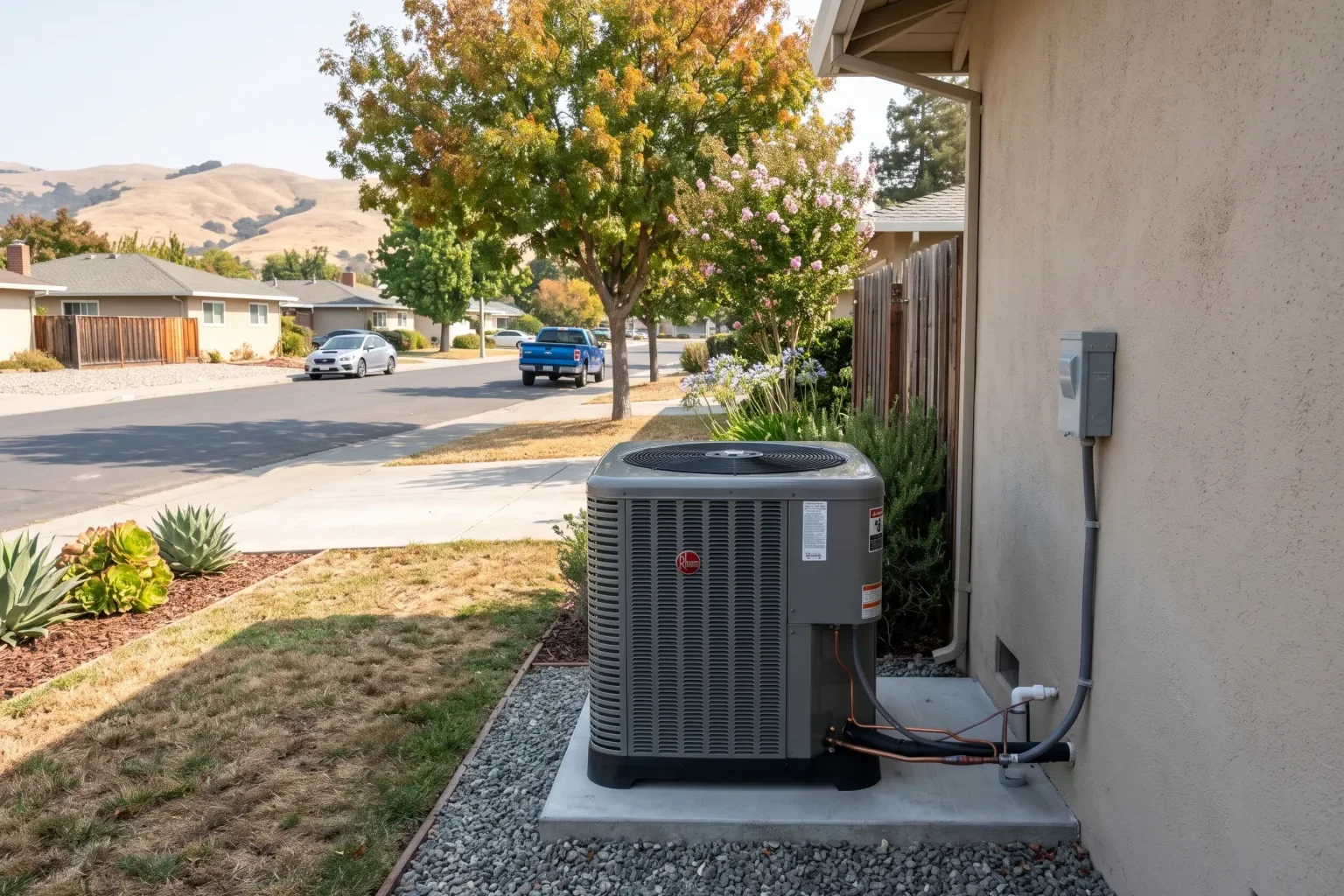
- Outdoor condenser coil cleanliness, fins, and clearance around the unit
- Indoor evaporator coil and blower for dust buildup
- Condensate drain line and pan, cleared to prevent leaks and water damage
- Refrigerant pressures and temperature readings to spot leaks or charge problems
- Capacitors, contactors, and electrical connections for wear or loose wiring
- Blower motor and fan operation, including amp draw
- Furnace burners, flame sensor, igniter, and safety controls
- Heat exchanger visual inspection and venting for proper draft
- Heat pump defrost cycle and reversing valve operation
- Supply and return temperature split to confirm the system is heating or cooling as it should
Repair or Replace: How We Help You Decide
Most maintenance visits end with a clean, adjusted system and nothing more to do. Sometimes we find a part that is worn or failing. When that happens, we explain what we saw, how urgent it is, and your options. A weak capacitor or a clogged drain is usually a simple repair. A cracked heat exchanger, a failing compressor, or a recurring refrigerant leak on an older system raises the question of replacement.
We look at the age and condition of the equipment, how often it has needed repairs, how well it keeps your home comfortable, and whether parts are still readily available. You make the decision; our job is to give you clear information to make it.
If you have a gas furnace, it helps to know the local rules. Under Bay Area Air District Rule 9-4, natural gas furnaces manufactured from 2029 onward must meet a zero-NOx emission standard. In practice, that points homeowners toward heat pumps when a furnace is replaced after that date. The rule does not require you to replace working equipment. It applies only when an existing furnace fails or is replaced. Keeping your current furnace well maintained is a reasonable choice while you plan ahead.
If you're considering a heat pump, note that the federal Energy Efficient Home Improvement Credit (25C) covered qualifying heat pumps placed in service before December 31, 2025, and is not available for new installations after that date. Bay Area homeowners can still check BayREN and their local clean energy provider for heat pump and electrification incentives. Amounts and availability change by funding cycle, so we confirm the current offer before including it in any quote.
What Affects the Cost of HVAC Maintenance
We give you a clear quote before any work begins. The cost of a maintenance visit depends on a few practical factors:
- The type of system: air conditioner only, furnace only, heat pump, or a combined setup
- How many units your home has, such as separate systems for upstairs and downstairs
- How long it has been since the last service and how much cleaning is needed
- Access to the equipment, such as attic, crawlspace, or tight side-yard installations
- Whether filters or other basic supplies are needed
- Any repairs found during the visit, which we always discuss and price separately before doing the work
How a Maintenance Visit Works
When you contact us, we'll ask about your system type, its approximate age, and any problems you've noticed. We then schedule a time that works for you.
On the day of the visit, the technician starts by asking what you've noticed, then checks the thermostat and runs the system to see how it behaves. They work through the outdoor unit, the indoor equipment, and the controls, cleaning and adjusting as they go. Please make sure the indoor unit, attic access, and outdoor unit can be reached easily.
Before leaving, the technician walks you through what they found: what's in good shape, what was adjusted, and anything that needs attention now or soon. If a repair is needed, you'll get an explanation and a quote, and nothing extra is done without your approval. You'll also get practical tips, such as how often to change your filter and how to keep the outdoor unit clear of leaves and debris.