The short answer
Most heating breakdowns in Santa Clara homes come from parts that sit idle for months, like ignitors, flame sensors, and dirty filters, and many can be repaired without replacing the system. Bay Area Air District rules do not force you to replace a working furnace, so a repair is often a sensible choice while you plan ahead.
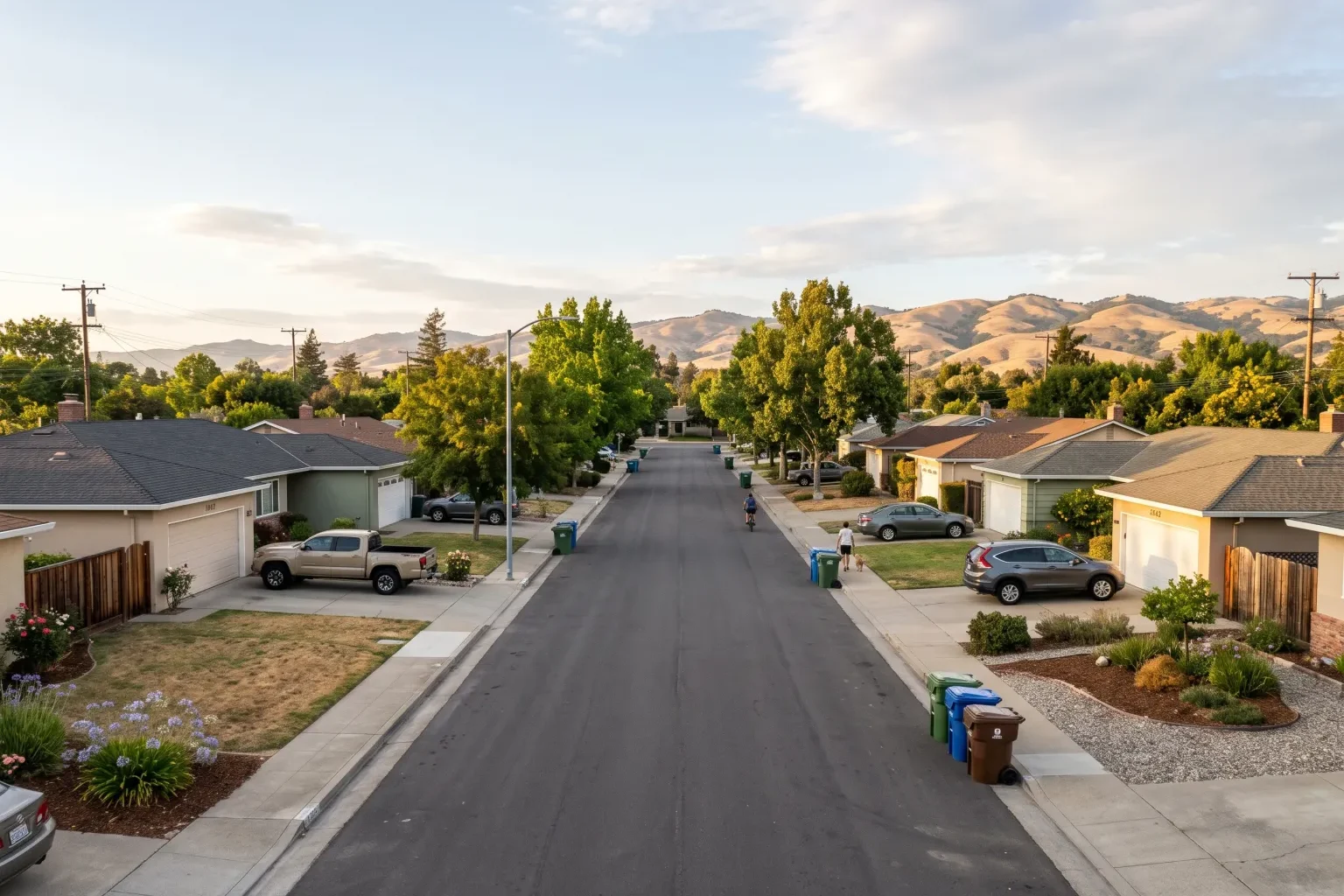
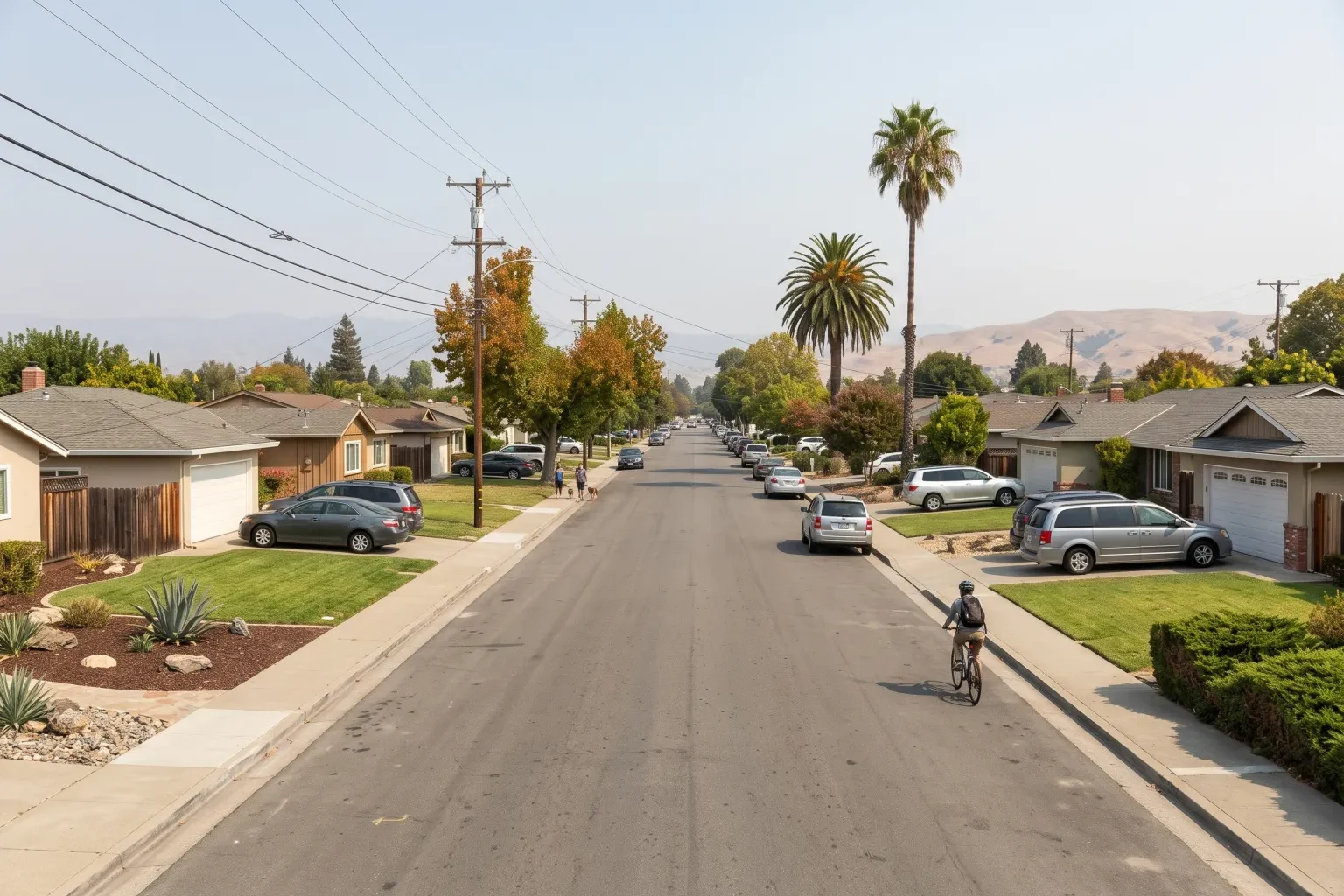
Santa Clara winters are mild, but the cool, damp nights from November through February are enough to make a dead furnace or a struggling heat pump hard to live with. NextLevel AC Repair Service repairs gas furnaces, heat pumps, and the thermostats and ductwork that connect them in homes across Santa Clara, from the neighborhoods around 95050 and 95051 to the areas near the university in 95053 and north toward 95054. We're based in San Jose, about 14 miles southeast, so getting to you is a routine trip. This page covers the heating problems we see most in Santa Clara homes, what you can safely check yourself, and what current Bay Area rules mean if a repair turns into a replacement conversation.
Why Heating Problems Show Up the Way They Do in Santa Clara
The Santa Clara Valley has a Mediterranean climate with dry summers and mild, damp winters. Areas closer to the Bay, including much of Santa Clara, stay a bit cooler and moister than the hotter inland and southern parts of the valley. That means many furnaces here run hard for a few months and then sit unused for most of the year.
Equipment that sits idle tends to fail at the first cold snap. Dust settles on burners and sensors, filters get forgotten, and small electrical parts that were marginal last spring give out when the system is asked to run again. A lot of our Santa Clara heating calls come in the first chilly week of fall for exactly this reason.
Common Heating Repairs We Handle
Whether your home has a gas furnace in a hall closet, a unit in the attic or garage, or a heat pump, these are the problems we diagnose and fix most often:
- Furnace that clicks or hums but never lights, often a worn hot surface ignitor or a dirty flame sensor
- Burners that light and then shut off after a few seconds
- Blower that runs but blows cool air
- Pressure switch, inducer motor, or venting faults that lock the furnace out
- Short cycling caused by a clogged filter, an overheating heat exchanger area, or a misplaced thermostat
- Heat pumps that won't switch to heating, freeze up, or get stuck in defrost
- Thermostats with dead batteries, bad wiring, or incorrect settings after a power outage
- Leaky or disconnected ducts in attics and crawlspaces that leave some rooms cold
What to Check Before You Schedule a Repair
A few quick checks can sometimes get the heat back on, or at least help us diagnose the problem faster. Make sure the thermostat is set to heat and the setpoint is above room temperature, and replace its batteries if it uses them. Check that the furnace's power switch, which often looks like a light switch near the unit, is on, and that the breaker hasn't tripped. Look at the air filter; a filter packed with dust can cause the furnace to overheat and shut itself down.
A burning-dust smell on the first run of the season is common and usually fades within an hour. A smell of gas is different. If you smell gas, leave the house, avoid using switches or flames, and call your gas utility from outside. If a carbon monoxide alarm goes off, get everyone outside and call emergency services. Don't restart a furnace that has triggered either warning until it has been inspected.
Repair or Replace? What Bay Area Rules Mean for You
Homeowners often ask whether new Air District rules mean they have to replace their furnace. They don't. Bay Area Air District appliance rules do not require replacing working equipment; they apply only when an existing furnace or water heater fails or is replaced. If your furnace can be repaired reliably, keeping it running is a legitimate option.
Planning ahead still makes sense. Under Rule 9-4, natural gas furnaces manufactured from 2029 must meet a zero-NOx emission standard, which in practice points homeowners toward heat pumps for replacements after that date. If your furnace is older and needs frequent repairs, we can talk through whether a heat pump is worth considering now rather than later.
On cost help: the federal 25C tax credit covered qualifying heat pumps placed in service before December 31, 2025, and is not available for new installations after that date. Santa Clara homeowners can still check BayREN and their local clean energy provider for current heat pump and electrification incentives. Those offers change by funding cycle, so we confirm what's available before including it in any quote.
How a Heating Repair Visit Works
Our technician starts by asking what you've noticed, such as noises, smells, error codes, or rooms that won't warm up. We then test the system through a full heating cycle, check ignition, flame, airflow, venting, and electrical components, and look at the thermostat and accessible ductwork. Before any work begins, we explain what we found, what the repair involves, and whether there are other issues worth knowing about. If repair isn't a good use of your money, we'll tell you why and lay out your options. We also serve nearby Sunnyvale, Cupertino, Campbell, Milpitas, and Saratoga.
More services in Santa Clara
- AC Repair in Santa Clara
- Heat Pump Installation in Santa Clara
- AC Installation in Santa Clara
- Furnace Repair in Santa Clara