The short answer
AC installation in Santa Clara should start with a room-by-room load calculation and a duct inspection, not a guess based on square footage. Many homeowners also compare a heat pump, which cools and heats, against a standard central AC because of upcoming Bay Area furnace rules.
Most Santa Clara homes don't need a lot of cooling to stay comfortable. They need the right amount, delivered evenly, from equipment that fits the house. NextLevel AC Repair Service installs central air conditioners and heat pumps for homeowners across Santa Clara, including the 95050, 95051, 95053 and 95054 ZIP codes. We're based in San Jose, about 14 miles southeast. This page covers how we size a system for a Santa Clara home, how to choose between a standard AC and a heat pump, what the installation involves, and what to know about incentives right now.
Sizing an AC for Santa Clara's Climate
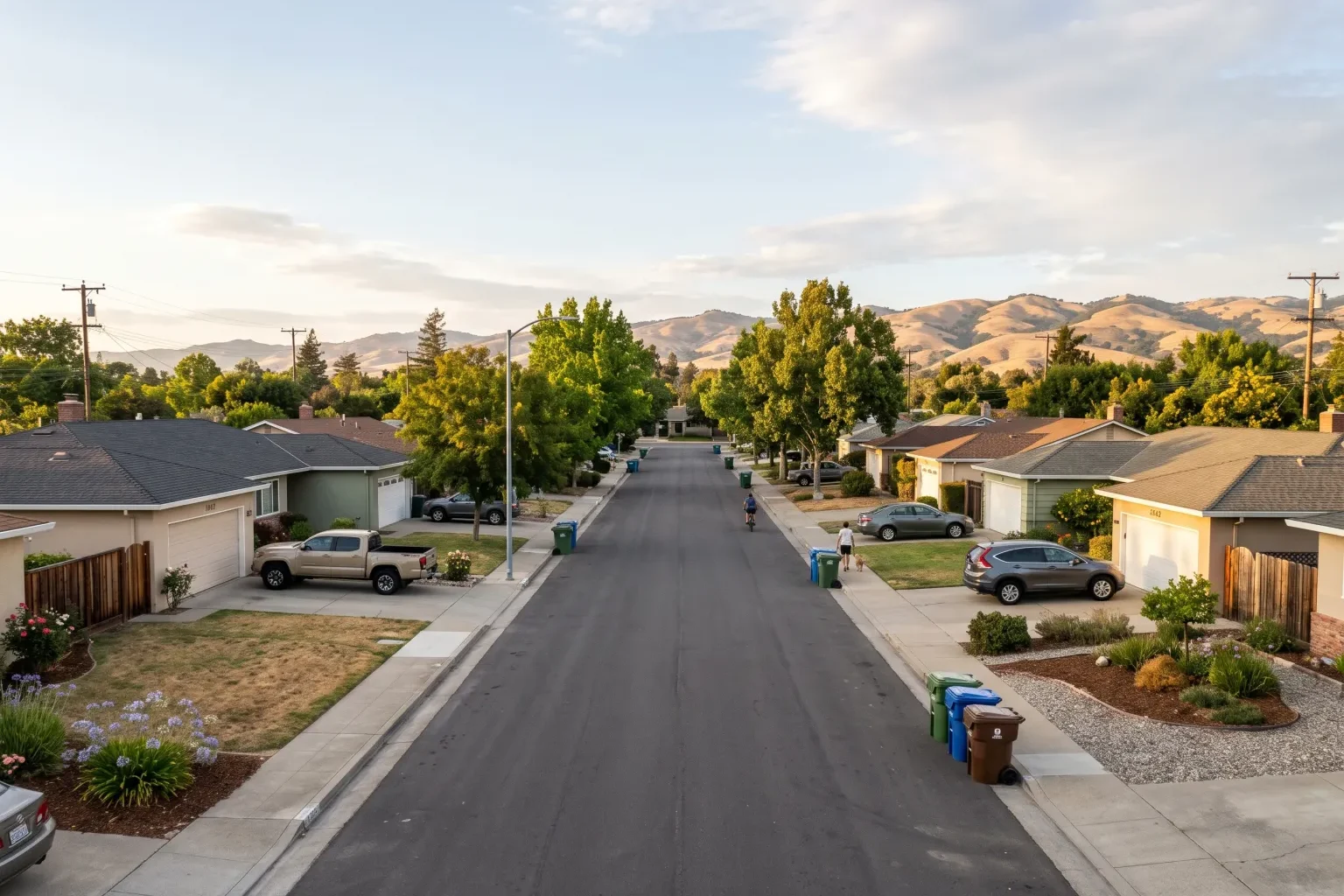
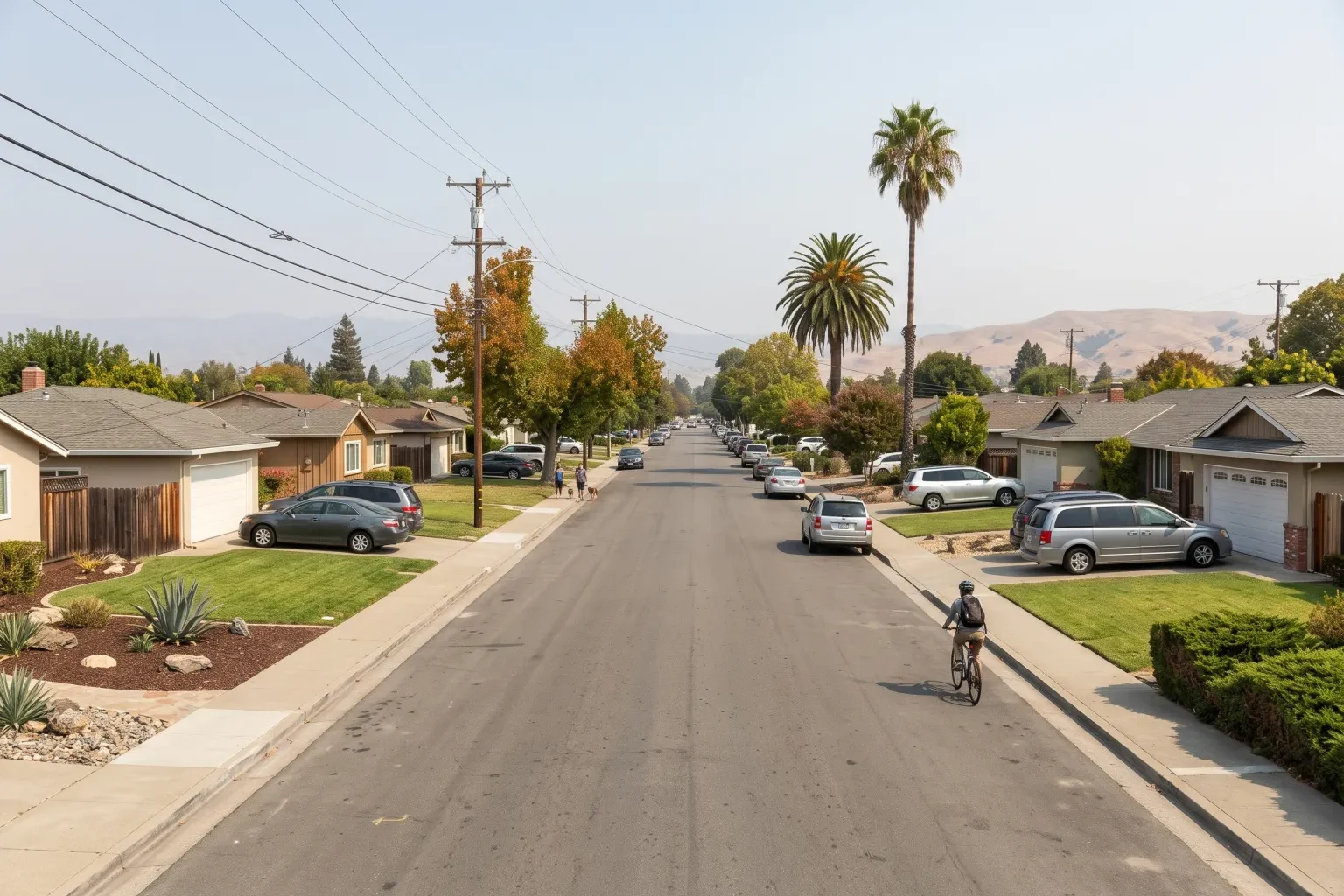
The Santa Clara Valley has a Mediterranean climate, with dry summers and mild, damp winters. Areas closer to the Bay, including much of Santa Clara, usually run cooler in summer than the inland and southern parts of the valley. In practice, that means many homes here need a smaller system than a contractor working from a rule of thumb might suggest.
An oversized AC cools the air quickly and then shuts off before it runs long enough to pull out humidity or even out temperatures between rooms. The result is short cycling, uneven comfort, and extra wear on the equipment. Before we recommend a size, we run a load calculation. It accounts for insulation, window area and orientation, ceiling height, air leakage, and how the home is laid out.
- Room-by-room heat gain, not just total square footage
- Window placement and which rooms get afternoon sun
- Attic insulation and duct location
- Rooms that already run warmer or cooler than the rest of the house
Central AC or Heat Pump?
A heat pump looks and installs much like a central air conditioner, but it can also run in reverse to heat the home. Many Santa Clara homeowners are weighing that option because of Bay Area Air District Rule 9-4. Under that rule, natural gas furnaces manufactured from 2029 must meet a zero-NOx emission standard, which in practice points homeowners toward heat pumps when a furnace is replaced after that date.
That rule does not require anyone to replace working equipment. It applies only when an existing furnace fails or is replaced. Still, if your furnace is getting older and you're adding or replacing AC now, a heat pump can handle both jobs and spare you a second project later. If your furnace has plenty of life left, a standard AC paired with it may make more sense. We'll walk through both options for your specific house.
What the Installation Involves
A good installation depends as much on ductwork and setup as on the equipment itself. Here's what we cover on a typical Santa Clara job:
- Inspecting existing ducts for leaks, crushed runs and undersized returns
- Confirming the electrical panel can support the new outdoor unit
- Choosing an outdoor unit location with proper clearance, and considering noise near bedrooms and neighbors' windows
- Setting the refrigerant charge and airflow to the manufacturer's specifications
- Installing and programming a compatible thermostat
- Testing the system and showing you how to change filters and use the controls
Incentives and Tax Credits in 2026
The federal Energy Efficient Home Improvement Credit (25C) covered qualifying heat pumps placed in service before December 31, 2025. It is not available for installations after that date, so don't plan around it for a new system.
Bay Area homeowners can still check BayREN and their local clean energy provider for current heat pump and electrification incentives. Amounts and availability change with each funding cycle, so we confirm the current offer before including it in any quote.
Serving Santa Clara and Nearby Cities
We install AC and heat pump systems throughout Santa Clara and in nearby Sunnyvale, Cupertino, Campbell, Milpitas and Saratoga. If you're planning ahead, scheduling an assessment before the warmest part of summer gives you more time to compare options without rushing a decision.
More services in Santa Clara
- AC Repair in Santa Clara
- Heating Repair in Santa Clara
- Heat Pump Installation in Santa Clara
- Furnace Repair in Santa Clara