The short answer
A heat pump is a strong fit for Gilroy homes because it handles hot inland summers and mild, damp winters with one system. The key is sizing it for South Valley summer heat and checking your ducts and electrical panel before installation. Current Bay Area rules don't force you to replace working equipment, but they do favor heat pumps when a gas furnace is replaced from 2029 on.
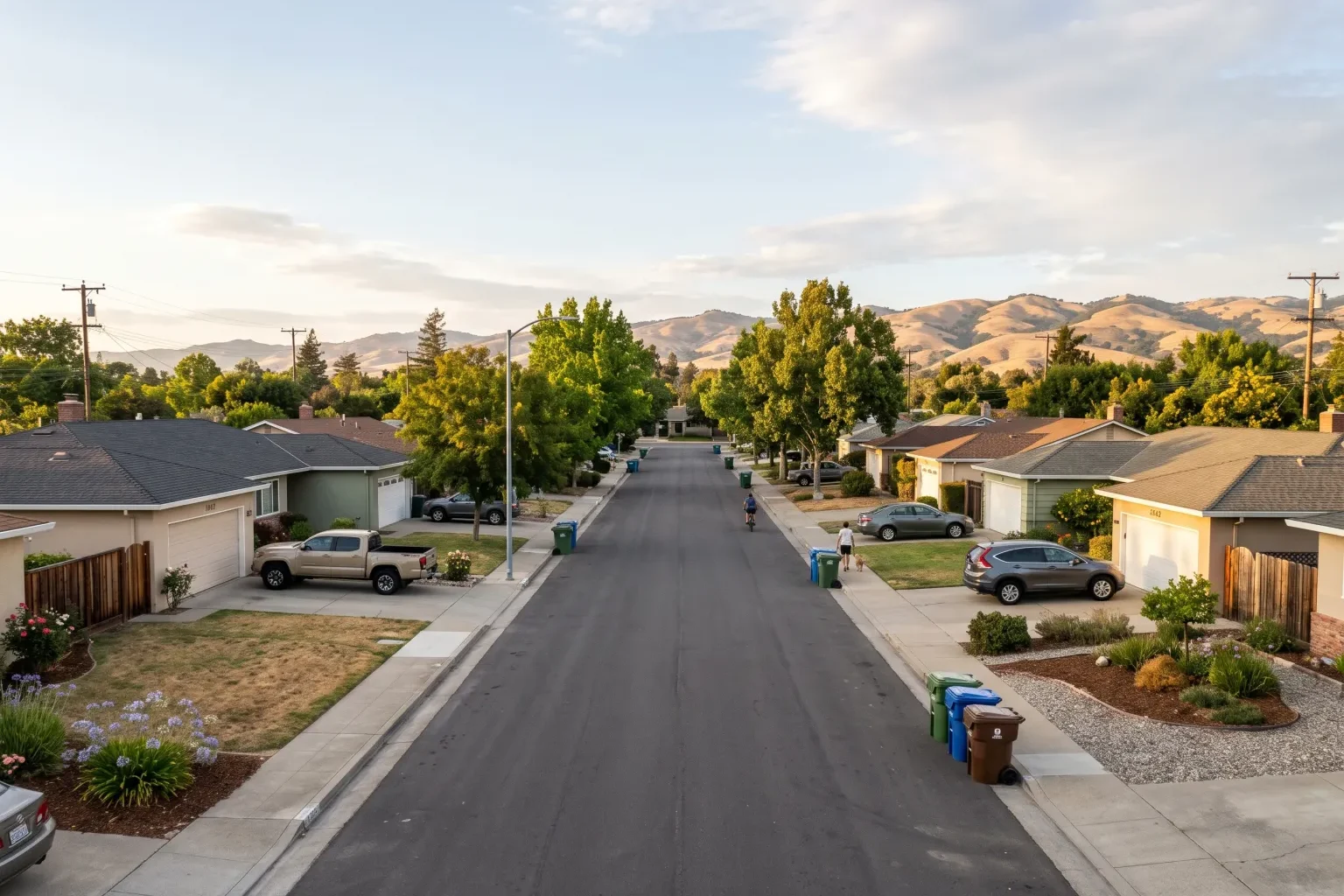
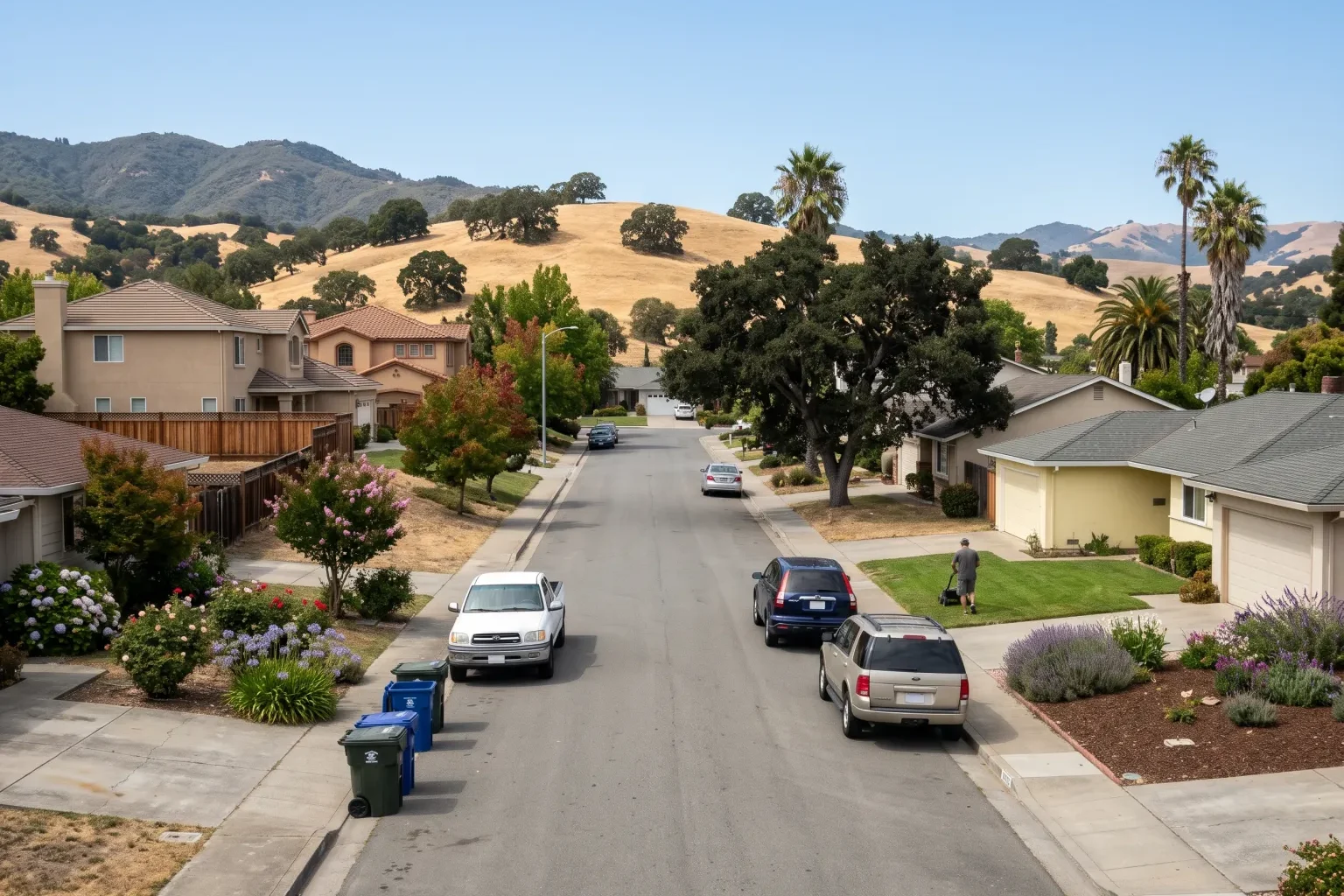
Gilroy sits at the southern end of the Santa Clara Valley, about 19 miles southeast of our San Jose base. Homes here get warmer summers than places closer to the Bay, and winters that are mild but damp. That mix suits a heat pump well. One system can cool the house through a long, dry summer and heat it efficiently on cool, wet winter mornings. NextLevel AC Repair Service installs heat pumps for Gilroy homeowners who are replacing an aging air conditioner, a failing gas furnace, or both. This page covers what matters for heat pump installation in Gilroy specifically: sizing for South Valley heat, working with the ductwork you already have, and how current Bay Area rules and incentives affect your timing.
Sizing a Heat Pump for Gilroy's Summer Heat
The inland and southern parts of the Santa Clara Valley run noticeably hotter in summer than areas near the Bay. For Gilroy, cooling capacity usually drives the sizing decision more than heating does. A system sized by a rule of thumb, or copied from a house in a cooler part of the county, can struggle on hot afternoons or cycle on and off too often.
Before we recommend a size, we look at the things that change how much heat your home gains and loses:
- Square footage, ceiling height, and number of stories
- Attic insulation levels and whether the attic is vented well
- Window size, direction, and type, especially west-facing glass
- Air leaks around doors, recessed lights, and duct connections
- How many people live in the home and which rooms get used most
Working With Your Existing Ducts and Electrical
Many Gilroy homes already have ducts from a gas furnace and central air conditioner. A ducted heat pump can often use that system, but only if the ducts are in reasonable shape. Leaky or undersized ducts, especially in a hot attic, waste a lot of the energy a heat pump saves. We inspect accessible ductwork for disconnected runs, crushed sections, and missing insulation, and we tell you what we find before you decide anything.
For homes without ducts, or for additions and converted garages, a ductless mini-split can heat and cool individual rooms without tearing into walls and ceilings.
We also check your electrical panel. Moving from gas heat to a heat pump adds electrical load, and some older panels need an upgrade or a dedicated circuit. Knowing this up front avoids surprises on installation day.
What Bay Area Rules Mean for Gilroy Homeowners
Gilroy is in Santa Clara County, so Bay Area Air District rules apply. Under those rules, natural gas furnaces manufactured from 2029 on must meet a zero-NOx emission standard. In practice, that points homeowners toward heat pumps when a furnace is replaced after that date.
These rules do not require you to replace working equipment. They apply only when an existing furnace or water heater fails or is replaced. If your furnace and AC are running fine, you can plan a heat pump on your own schedule instead of during an emergency.
If you're also thinking about a heat pump water heater, the zero-NOx date for small water heaters was set for 2027, and the Air District Board is considering amendments in November 2026 that could delay it. Check the current rule before you plan that replacement.
Incentives and Tax Credits
The federal Energy Efficient Home Improvement Credit (25C) covered qualifying heat pumps placed in service before December 31, 2025. It is not available for new installations after that date, so don't count on it for a project now.
Local programs may still help. Bay Area homeowners can check BayREN and their local clean energy provider for current heat pump and electrification incentives. Amounts and availability change by funding cycle, so we confirm the current offer before including it in any quote.
How Installation Works
We start with a visit to your Gilroy home to measure, inspect ducts and electrical, and talk about which rooms are hard to keep comfortable. Then we walk you through system options in plain terms. On installation day we remove the old equipment, set the outdoor and indoor units, connect refrigerant lines and wiring, and test the system in both heating and cooling modes. Before we leave, we show you how to use the thermostat and how often to change the filter.
We also serve nearby Morgan Hill, Scotts Valley, Los Gatos, Monte Sereno, and Campbell.