The short answer
Most Gilroy furnace problems come from parts that sat idle all summer, such as dirty flame sensors, clogged filters, weak igniters, or stuck switches, and many can be repaired in a single visit. Local Air District rules don't require you to replace a working furnace, so repairing a sound unit is often the sensible choice.
When a furnace quits in Gilroy, it usually happens on the first cold morning of the season, after months of sitting unused through a long, hot summer. NextLevel AC Repair Service drives down from San Jose, about 19 miles northwest, to diagnose and repair gas furnaces in Gilroy homes. We focus on finding the actual cause, explaining it in plain terms, and fixing it so your heat runs reliably through the damp winter months. If repair no longer makes sense, we'll say so and walk you through your options.
Why Gilroy Furnaces Act Up When the Weather Turns
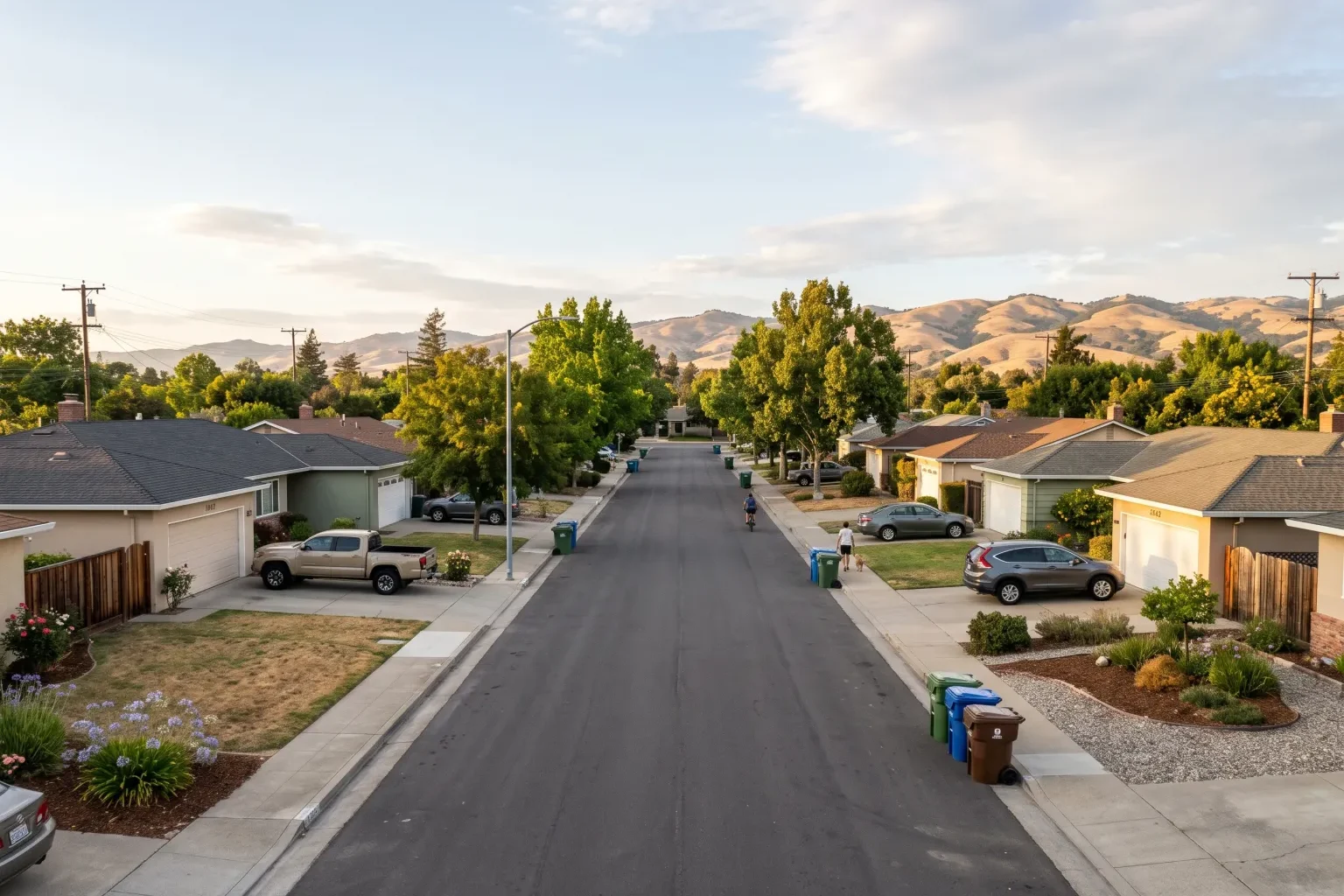
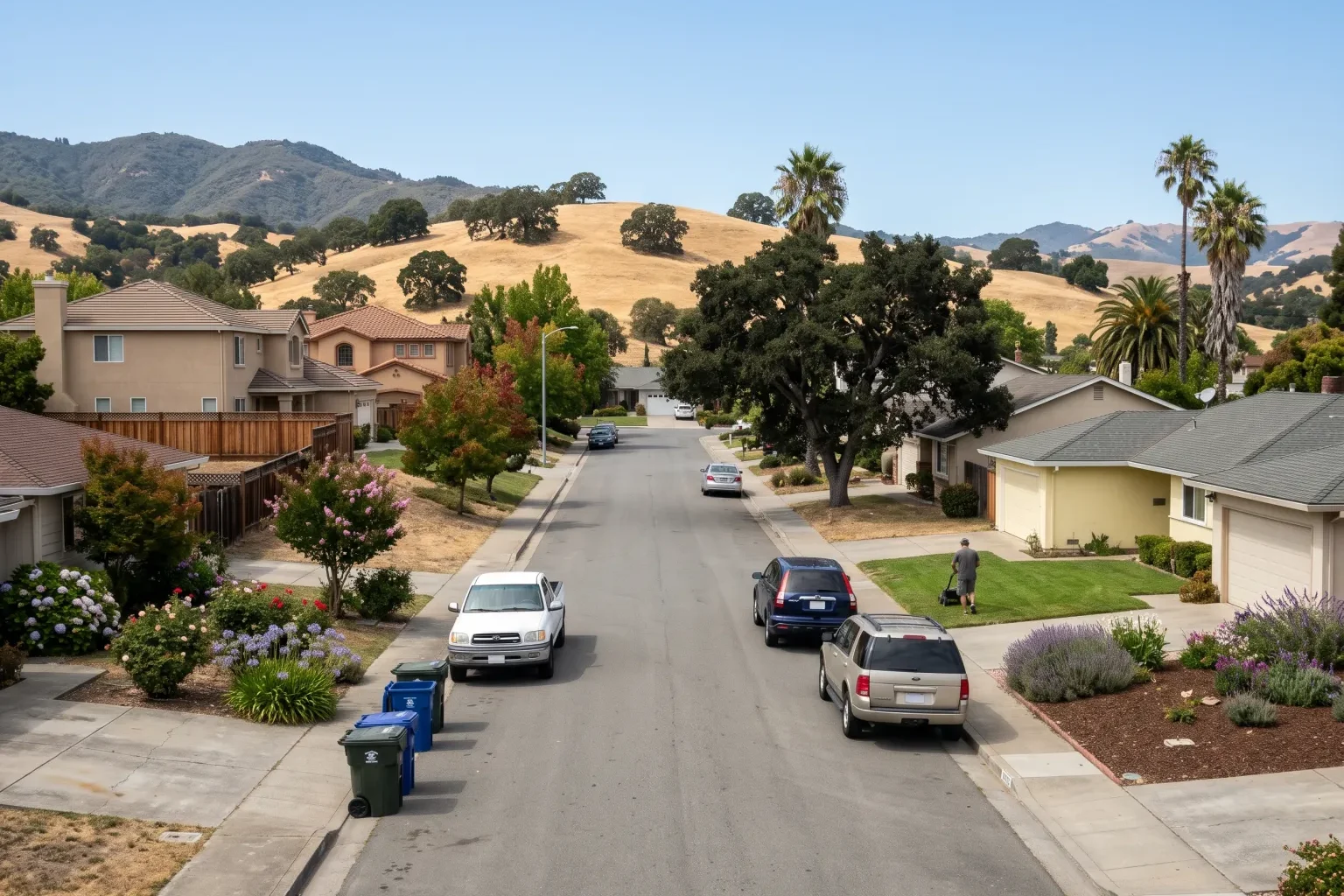
Gilroy sits in the southern Santa Clara Valley, which runs noticeably hotter in summer than areas closer to the Bay. Winters are mild and damp rather than harsh, so most furnaces here run hard for a few months and then sit idle for a long stretch.
That pattern causes its own problems. Dust settles on burners and flame sensors during the dry season. Filters left in place since spring restrict airflow. Moisture in winter can corrode connections and affect the condensate drain on high-efficiency units. When the first chilly night arrives and the thermostat calls for heat, these small issues show up all at once.
Furnace Problems We Repair in Gilroy Homes
We work on the issues that most often leave Gilroy homeowners without heat or with heat that doesn't feel right:
- Furnace won't turn on, or the burners light and then shut off after a few seconds
- Dirty or failing flame sensors and hot surface igniters
- Blower motors that hum, run constantly, or won't start
- Pressure switch, inducer motor, and venting problems
- Clogged condensate lines and drain traps on high-efficiency furnaces
- Short cycling, uneven heating between rooms, or weak airflow at the vents
- Burning, musty, or unusual smells when the heat first comes on
- Thermostat wiring and control board faults
What Happens During a Repair Visit
We start by asking what you've noticed: when the problem began, what the furnace does when it tries to start, and whether any error lights are blinking. Then we test the system rather than guessing, checking ignition, gas supply, safety switches, airflow, and electrical components.
Once we find the cause, we explain what failed, why, and what the repair involves before any work begins. We also look for related issues, such as a cracked vent connection or a filter that's choking the system, so the same problem doesn't come back next week.
Repair or Replace: What Gilroy Homeowners Should Know
Bay Area Air District appliance rules do not require you to replace working equipment. They apply only when an existing furnace fails or is replaced. If your furnace is in good shape overall, repairing it is a perfectly reasonable choice.
Looking ahead, natural gas furnaces manufactured from 2029 must meet a zero-NOx emission standard under the Air District's Rule 9-4. In practice, that points homeowners toward heat pumps when a furnace is replaced after that date. If your furnace is older and facing a major repair, it may be worth weighing a heat pump now.
Note that the federal Energy Efficient Home Improvement Credit covered qualifying heat pumps placed in service before December 31, 2025, and is not available for new installations after that date. Bay Area homeowners can still check BayREN and their local clean energy provider for current electrification incentives. Those offers change by funding cycle, so we confirm what's available before including it in any quote.
Quick Checks Before You Call
A few simple checks can sometimes restore heat or help us diagnose the problem faster:
- Make sure the thermostat is set to Heat and a few degrees above room temperature, and replace its batteries if it uses them
- Check that the furnace power switch, which often looks like a light switch near the unit, is on
- Look at the air filter and replace it if it's gray or clogged
- Confirm the furnace access panel is fully closed, since a loose panel can keep the system from starting
- If you smell gas, leave the house and call your gas utility right away from outside
Serving Gilroy and the South Bay
Gilroy is part of our regular service area in Santa Clara County. We also handle furnace repair in nearby Morgan Hill, Los Gatos, Monte Sereno, Campbell, and Scotts Valley, so if you have family or a rental property elsewhere in the area, we can help there too.
More services in Gilroy
- AC Repair in Gilroy
- Heating Repair in Gilroy
- Heat Pump Installation in Gilroy
- AC Installation in Gilroy