The short answer
A heat pump replaces a separate furnace and air conditioner with one electric system that heats and cools your Scotts Valley home. We size it to your house, check your electrical panel and ductwork, and pick ducted or ductless equipment that fits your layout. The federal 25C tax credit has ended for new installs, so we check current local incentives before quoting.
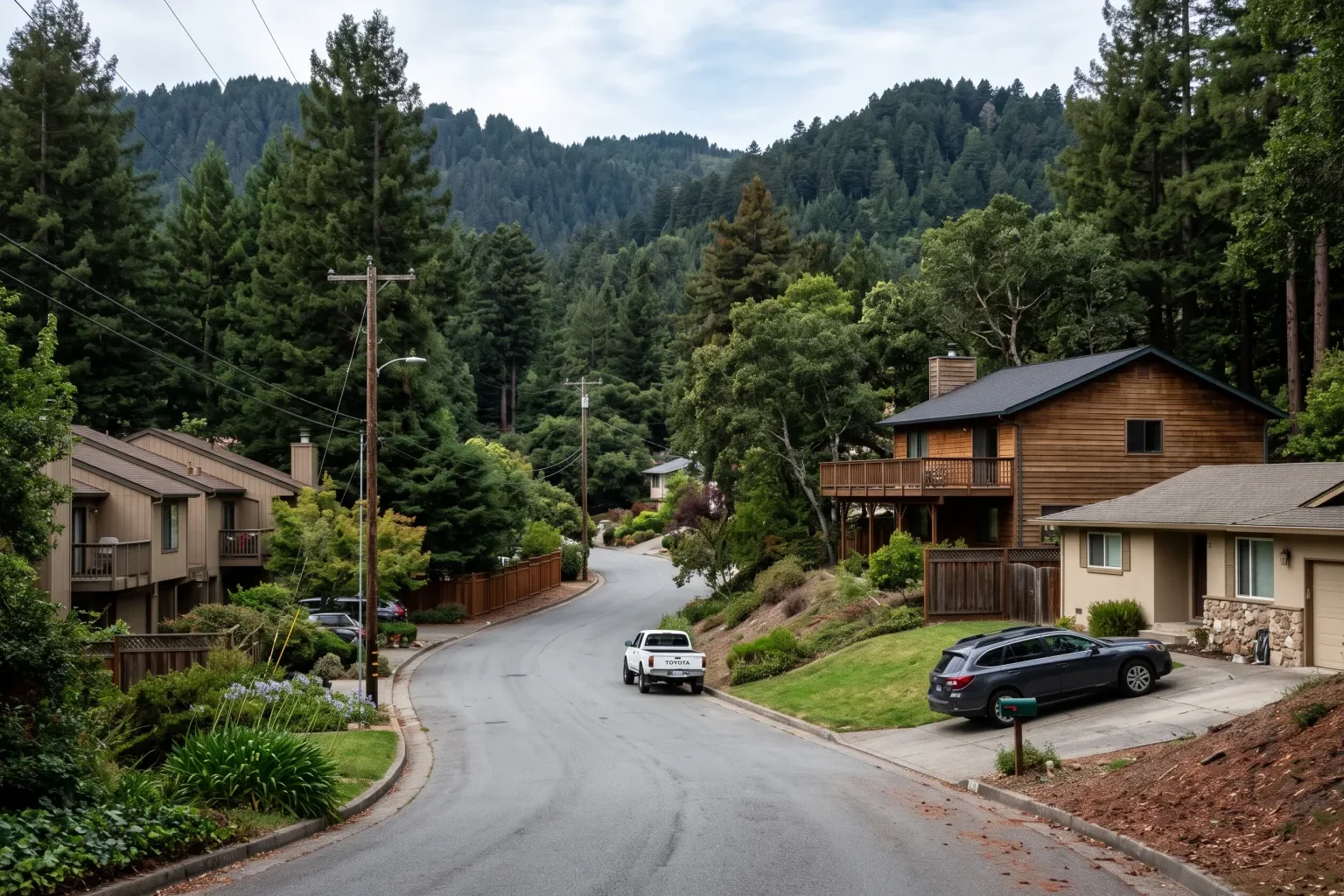
If you're replacing an aging furnace, adding cooling for the first time, or moving your Scotts Valley home away from gas heat, a heat pump can handle heating and cooling with one system. NextLevel AC Repair Service installs ducted and ductless heat pumps for homes across Scotts Valley, about 18 miles southwest of our San Jose base. Homes here often sit on sloped, wooded lots, and many were built with a furnace and little or no air conditioning. Those details shape how a heat pump should be sized and placed. This page covers how we plan an installation, what affects the work, and what to know about rules and incentives before you start.
Why Scotts Valley Homeowners Choose Heat Pumps
For most Scotts Valley households, heating matters more than cooling, and a heat pump is mainly a heating system that can also cool. Instead of burning gas, it moves heat from the outdoor air into your home. In summer, it runs the other way to remove heat.
That makes a heat pump a practical choice for homes that never had central air. You get comfortable heat in the cooler months and cooling on warm days, without running two separate systems. It also makes sense for homeowners who want to switch from gas to electric appliances over time.
What a Heat Pump Installation Involves
Every installation starts with a visit to your home. We look at the size and layout of the house, how well it holds heat, the condition of any existing ductwork, and where outdoor equipment can go. On hillside and tree-covered lots, that last step matters. The outdoor unit needs a stable, level base, room for airflow, and a spot where leaves and debris won't build up around it.
From there, we recommend a system and walk you through the work. Typical steps include:
- A load calculation to size the system to your home, not just to match the old furnace
- Inspecting existing ducts for leaks, damage, or poor sizing, and sealing or replacing sections if needed
- Checking whether your electrical panel can carry the new load, or whether it needs an upgrade
- Choosing between a ducted system and ductless mini-splits for homes without usable ductwork or for additions
- Placing the outdoor unit with drainage, airflow, and access for future service in mind
- Removing old equipment, starting up the new system, and showing you how the thermostat and settings work
Ducted or Ductless: Matching the System to Your House
If your home has ductwork in decent shape, a ducted heat pump can often connect to it, which keeps the look of your home unchanged. Older homes, converted spaces, and homes with additions sometimes have ducts that are undersized or don't reach every room. In those cases, ductless mini-splits can heat and cool individual rooms or zones without new ducts in the walls.
Some homes use both: a ducted system for the main living area and a mini-split for a bonus room or garage conversion. We'll explain the tradeoffs for your floor plan so you can decide what fits your budget and comfort goals.
Rules, Tax Credits, and Incentives to Know
The federal Energy Efficient Home Improvement Credit (25C) covered qualifying heat pumps placed in service before December 31, 2025. It isn't available for new installations after that date, so don't count on it when you plan a project now.
Local incentives are a different story. Your local clean energy provider and regional programs may offer heat pump or electrification incentives, but amounts and availability change from one funding cycle to the next. We confirm the current offer before including it in a quote. Air quality rules for furnaces and water heaters also differ by region. Scotts Valley is in Santa Cruz County, so we check which rules apply to your address rather than assuming the same rules as homes in San Jose.
Plan Before Your Furnace Fails
The easiest time to install a heat pump is before you're forced to. When a furnace quits on a cold night, the quickest fix is usually another furnace. If you plan ahead, there's time for a load calculation, any electrical work, and a careful look at incentives. If your furnace is getting older or needs frequent repairs, an assessment now gives you options later.
Serving Scotts Valley and Nearby Communities
Along with Scotts Valley, we install heat pumps in Los Gatos, Monte Sereno, Saratoga, Campbell, and Cupertino. Reach out to schedule an in-home assessment and get a recommendation based on your house.
More services in Scotts Valley
- AC Repair in Scotts Valley
- Heating Repair in Scotts Valley
- AC Installation in Scotts Valley
- Furnace Repair in Scotts Valley