The short answer
NextLevel AC Repair Service repairs central AC, heat pumps, and ductless systems in Morgan Hill, about 10 miles southeast of our San Jose base. Morgan Hill's hotter summers mean longer run times, so common issues include weak cooling, frozen coils, failed capacitors, and refrigerant leaks. We find the cause, explain your options, and give you a written estimate before any work begins.
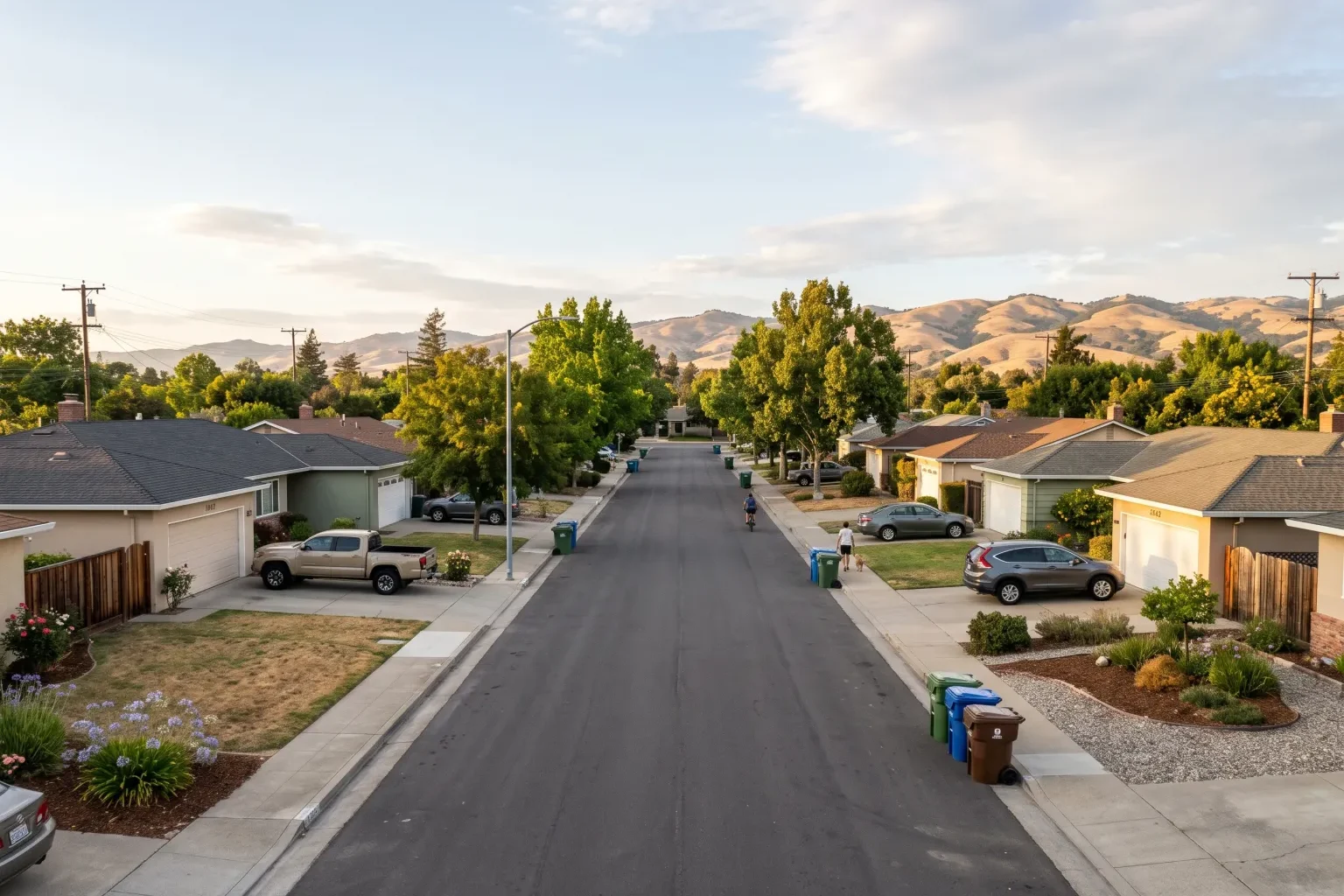
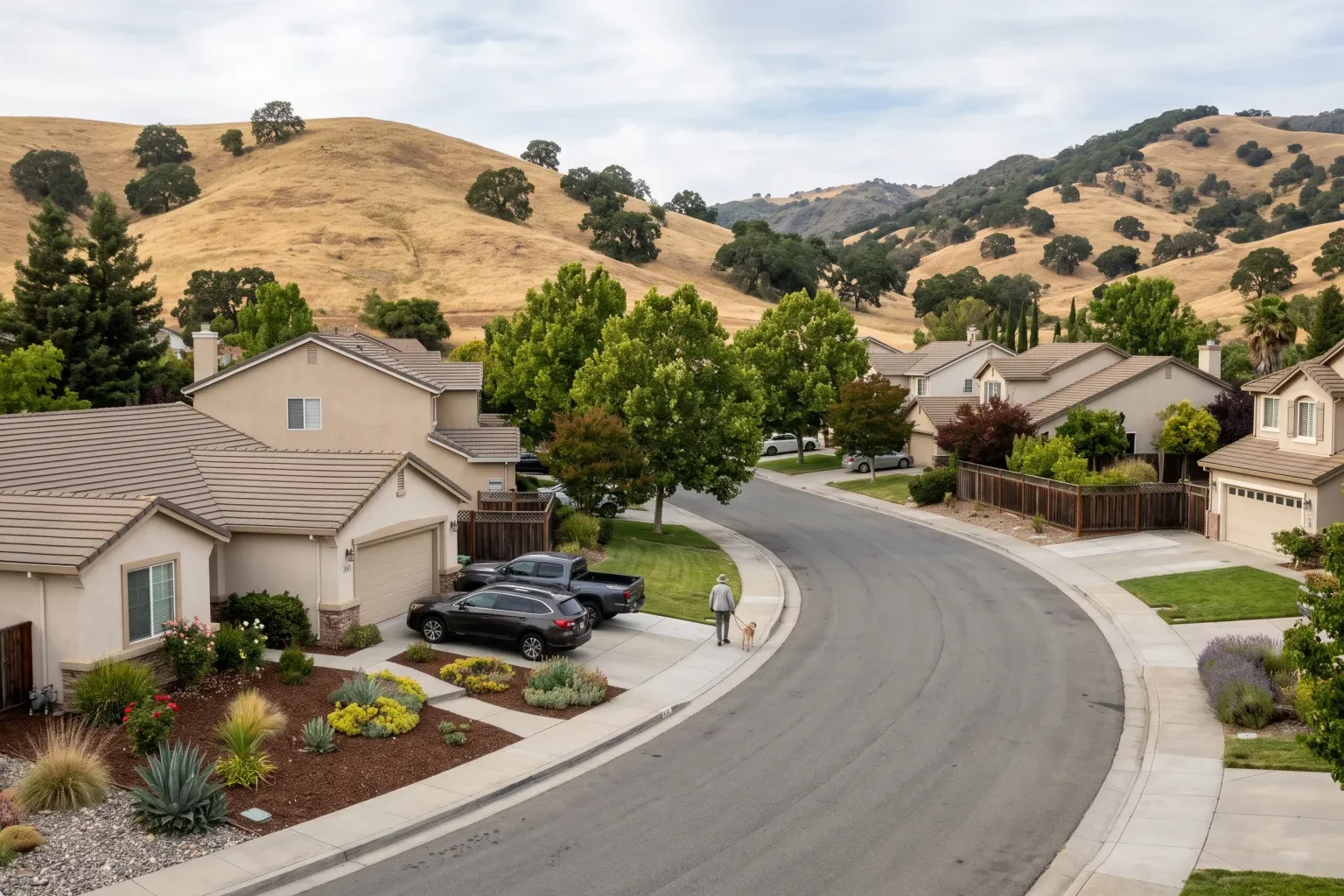
Morgan Hill sits in the southern part of the Santa Clara Valley, about 10 miles southeast of our base in San Jose. Inland and southern parts of the valley run noticeably hotter in summer than areas near the Bay. An air conditioner that barely keeps up in a cooler neighborhood can fall behind or quit on a hot Morgan Hill afternoon. NextLevel AC Repair Service diagnoses and repairs central air conditioners, heat pumps, and ductless mini-split systems for Morgan Hill homeowners. This page covers the problems that show up most often in hotter South Valley homes, what you can safely check before calling, how a repair visit works, and how to think about repairing versus replacing an aging system.
Why Air Conditioners Work Harder in Morgan Hill
The Santa Clara Valley has a Mediterranean climate with dry summers and mild, damp winters. In Morgan Hill, that pattern leans toward the hot end. On summer afternoons your system may run for hours without cycling off. Long run times wear on motors, capacitors, and contactors. They also expose any weak spot, such as a slow refrigerant leak or a clogged filter that went unnoticed in spring.
The mild winters cause a different problem. Many cooling systems sit mostly idle for months, and then the first real heat wave asks them to run hard right away. A part that was already failing often gives out that week. Dry summer conditions also carry dust and plant debris, which builds up on outdoor condenser coils and makes the system work harder to shed heat.
AC Problems We Commonly Repair
Most service calls in Morgan Hill come down to a handful of causes. We test the system to confirm the actual fault instead of swapping parts until something works.
- Air blowing from the vents but not cooling the house
- Outdoor unit humming but the fan not spinning, often a failed capacitor or fan motor
- Ice on the refrigerant lines or indoor coil, usually from low airflow or low refrigerant
- Short cycling, where the system turns on and off every few minutes
- Water leaking near the indoor unit from a clogged condensate drain
- Tripped breakers or a system that won't start at all
- Rooms that stay much warmer than the rest of the house because of duct or airflow problems
- Thermostats that read wrong or don't signal the system to run
What to Check Before You Call
A few simple checks can sometimes solve the problem or help us diagnose it faster. Don't open electrical panels on the equipment or handle refrigerant lines yourself.
- Confirm the thermostat is set to Cool and the set temperature is below the room temperature
- Replace the batteries in a battery-powered thermostat
- Check the air filter and replace it if it's dirty
- Look for a tripped breaker for the indoor or outdoor unit and reset it once; if it trips again, leave it off and call
- Make sure supply vents and return grilles aren't blocked by furniture or rugs
- If you see ice, turn the system off and let it thaw before running it again
How a Repair Visit Works
When we arrive, we ask what you've noticed: sounds, smells, when the problem started, and whether it happens all day or only in the afternoon heat. Then we inspect the thermostat, indoor unit, outdoor unit, electrical components, and airflow, and check refrigerant performance where it's relevant.
Once we know the cause, we explain it in plain terms and give you a written estimate before doing any repair work. If a repair doesn't make sense for an older system, we'll say so and walk you through the alternatives.
Repair or Replace an Older System?
Repair is usually the right call when the system is in reasonable shape and the failed part is a single component. Replacement is worth discussing when a system needs major repairs, breaks down repeatedly, or uses an older refrigerant that is costly to service.
If you do replace, many Morgan Hill homeowners consider a heat pump, which handles both cooling and heating. The federal 25C tax credit for heat pumps applied only to systems placed in service before December 31, 2025, so it isn't available for new installations. BayREN and your local clean energy provider may offer current heat pump incentives. Those programs change by funding cycle, so we confirm what's available before including any incentive in a quote.
Under Bay Area Air District rules, natural gas furnaces manufactured from 2029 must meet a zero-NOx standard, which points toward heat pumps for future furnace replacements. These rules don't require you to replace working equipment. They apply only when a furnace or water heater fails or is replaced.
Serving Morgan Hill and Nearby Communities
We travel from San Jose to Morgan Hill for AC repair. We also serve nearby Gilroy, Los Gatos, East Foothills, Campbell, and Monte Sereno. When you contact us, tell us your system type and what it's doing, and we'll schedule a visit to diagnose it.
More services in Morgan Hill
- Heating Repair in Morgan Hill
- Heat Pump Installation in Morgan Hill
- AC Installation in Morgan Hill
- Furnace Repair in Morgan Hill