The short answer
Heat pumps suit Milpitas homes well because the valley's mild, damp winters and dry summers let one system handle both heating and cooling. Bay Area Air District rules don't force you to replace working equipment. Gas furnaces made from 2029 must be zero-NOx, so it pays to plan your next replacement ahead of time.
If your Milpitas home has an aging furnace, an older central air conditioner, or rooms that never feel comfortable, a heat pump can handle both heating and cooling with one system. NextLevel AC Repair Service installs ducted and ductless heat pumps for homeowners in Milpitas (95035) and across Santa Clara County. This page covers what matters locally: how the South Bay climate affects sizing, what Bay Area Air District rules actually require, where incentives stand, and what installation looks like.
Why heat pumps fit Milpitas weather
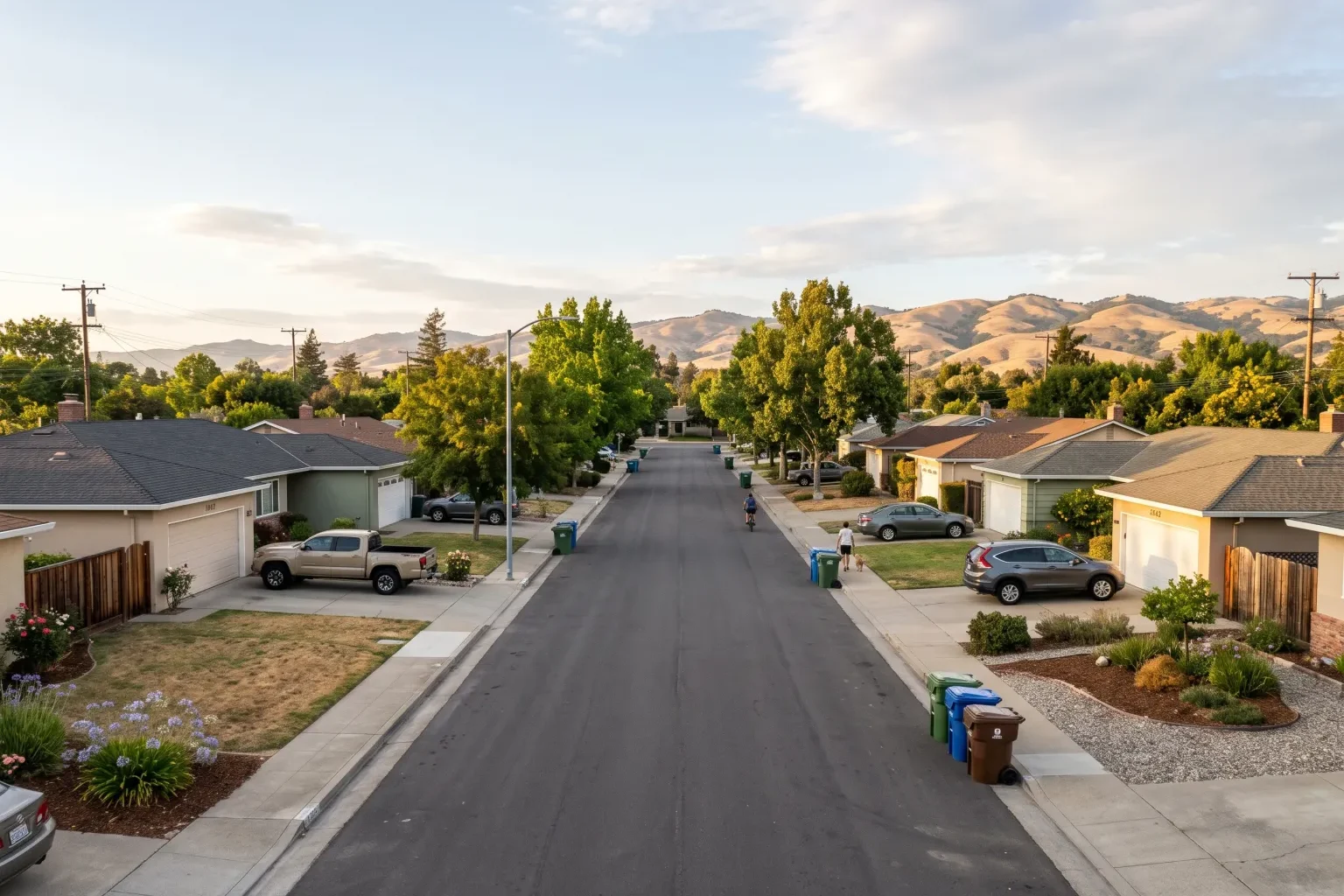
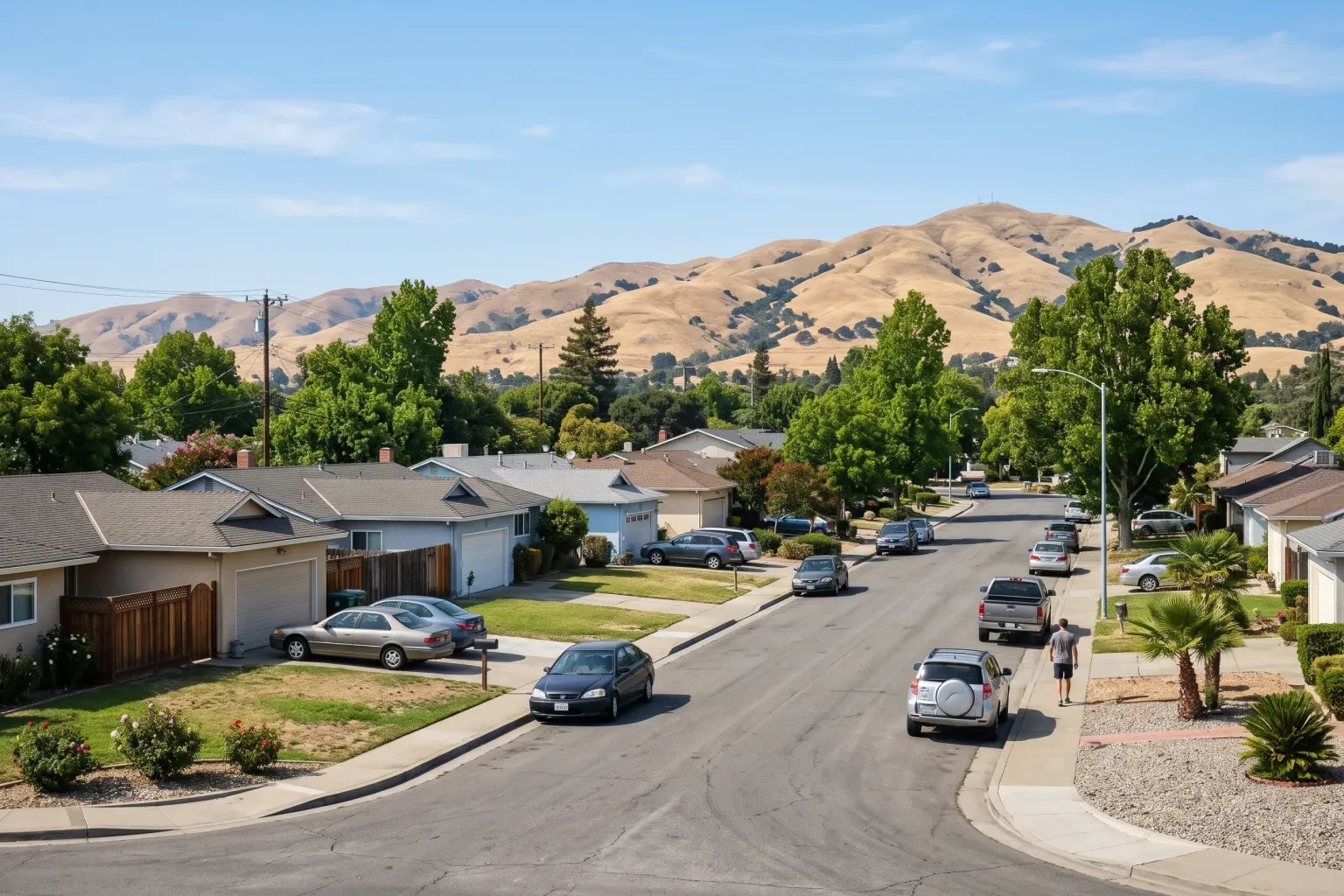
The Santa Clara Valley has a Mediterranean climate, with dry summers and mild, damp winters. That pattern suits heat pumps well. Winter nights are cool rather than severe, so a properly sized heat pump can keep a home warm without burning gas. The same equipment runs in reverse to cool the house when summer heat builds.
Summer temperatures across the valley aren't uniform. Inland and southern parts run noticeably hotter than areas near the Bay, so we size every system for the specific house rather than relying on a rule of thumb. Insulation, window area, sun exposure, and ceiling height all affect how much heating and cooling a home actually needs.
What Bay Area Air District rules mean for your home
There is a lot of confusion about the Air District's appliance rules. They do not require you to replace working equipment. They apply only when an existing furnace or water heater fails or is replaced.
Under Rule 9-4, natural gas furnaces manufactured from 2029 must meet a zero-NOx emission standard. In practice, that points homeowners toward heat pumps when a furnace is replaced after that date. If your furnace is getting older, it makes sense to understand your options now rather than deciding during a breakdown.
Water heaters fall under a separate rule, Rule 9-6. The zero-NOx date for small water heaters was set for 2027, but the Air District Board is considering amendments in November 2026 that could delay it. If you're also thinking about your water heater, check the current rule before you plan that replacement.
Incentives and tax credits: where things stand
The federal Energy Efficient Home Improvement Credit (25C) covered qualifying heat pumps placed in service before December 31, 2025. It is not available for new installations after that date, so don't count on it when budgeting a new system.
Local programs may still help. Bay Area homeowners can check BayREN and their local clean energy provider for current heat pump and electrification incentives. Amounts and availability change by funding cycle, so we confirm the current offer before including it in any quote.
What a heat pump installation involves
Every job starts with a visit to your home. We look at your existing equipment, ductwork, and electrical service, along with the rooms that are hardest to keep comfortable. From there we recommend a system type and size and explain the reasoning behind it.
Heat pumps work best when they run steadily rather than with large temperature swings. At the end of the job, we show you thermostat settings that match how your household uses the space.
- Load calculation based on your home's size, layout, insulation, and windows
- Duct inspection to find leaks, undersized runs, or damaged sections
- Electrical review, since some homes need panel or circuit upgrades for a heat pump
- Outdoor unit placement that considers airflow, noise near bedrooms, and neighbors
- Ductless mini-split options for homes without ducts, additions, or converted garages
- Thermostat setup and a walkthrough of how to run the system efficiently
Planning ahead instead of replacing in a hurry
Most homeowners replace heating equipment when it stops working, often on a cold night with few choices. If your furnace or air conditioner is aging, an assessment now gives you time to compare ducted and ductless options, look into current local incentives, and schedule any electrical work without pressure.
We work from our base in San Jose, about 16 miles away, and also serve nearby Santa Clara, Sunnyvale, Campbell, Cupertino, and East Foothills.
More services in Milpitas
- AC Repair in Milpitas
- Heating Repair in Milpitas
- AC Installation in Milpitas
- Furnace Repair in Milpitas