The short answer
Yes, NextLevel AC Repair Service works in Loyola, CA, about 20 miles northwest of our San Jose base. We repair, install, and maintain air conditioners, furnaces, heat pumps, ductless mini-splits, and ductwork, and we can explain how Bay Area Air District rules affect a future furnace replacement.
Loyola is an unincorporated community in Santa Clara County, about 20 miles northwest of our base in San Jose. NextLevel AC Repair Service handles cooling and heating work for Loyola homeowners, from a furnace that won't light on a damp winter morning to planning a switch to a heat pump. We also serve the surrounding area, including Cupertino, Sunnyvale, Saratoga, Santa Clara, and Campbell. This page covers what we do in Loyola, how the local climate affects your equipment, and what current Bay Area rules mean for your next replacement.
HVAC Services for Loyola Homes
Most calls we get from Loyola fall into two groups: something stopped working and needs to be fixed, or a system is getting old and the homeowner wants to know what to replace it with. We handle both. When we come out for a repair, we tell you what failed, what it takes to fix it, and whether the rest of the system looks like it has years left or is close to the end.
- AC repair and AC installation
- Heating repair, furnace repair, and furnace installation
- Heat pump installation
- Ductless mini-split installation
- HVAC maintenance
- Duct cleaning
- Indoor air quality improvements
How the South Bay Climate Affects Your System
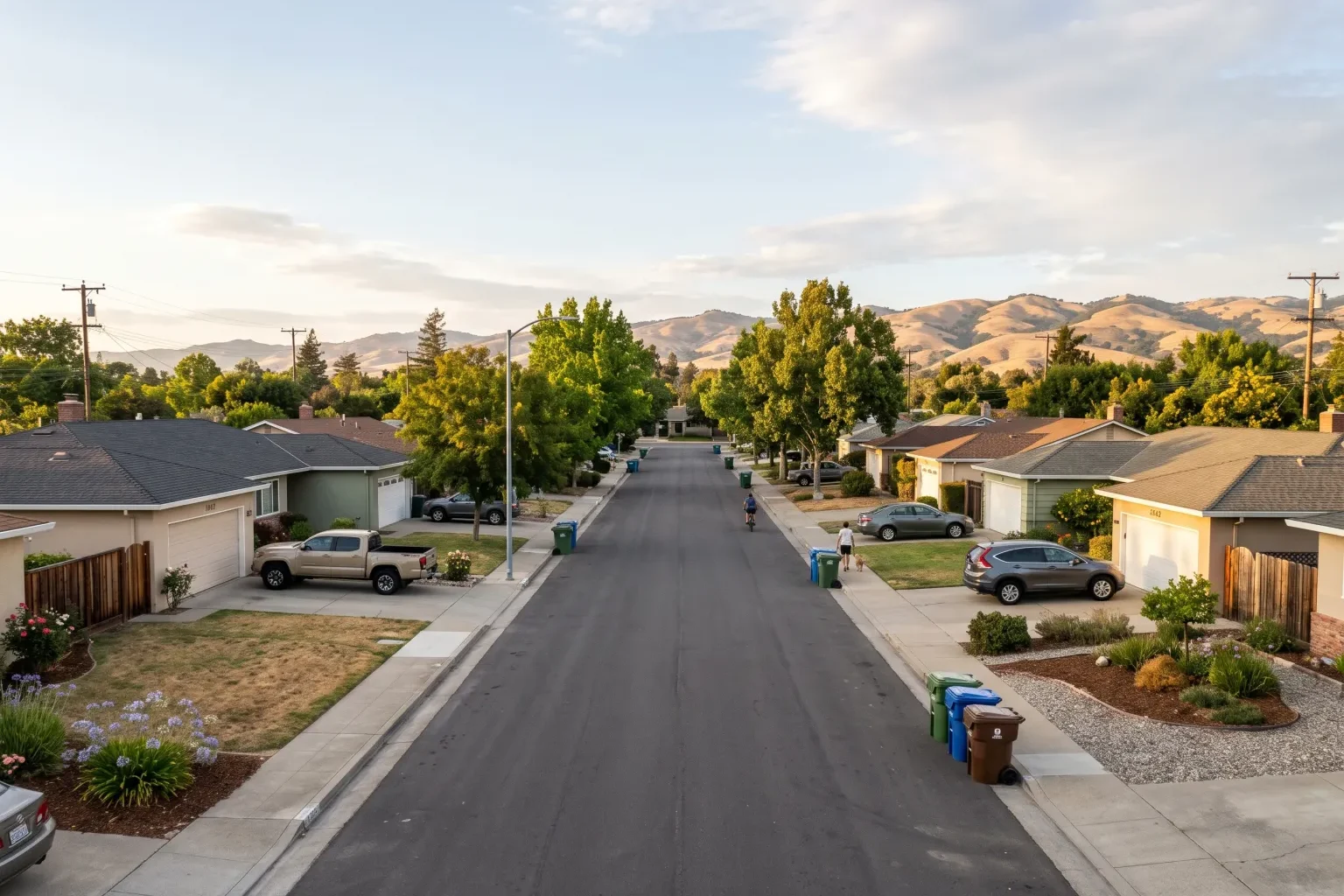
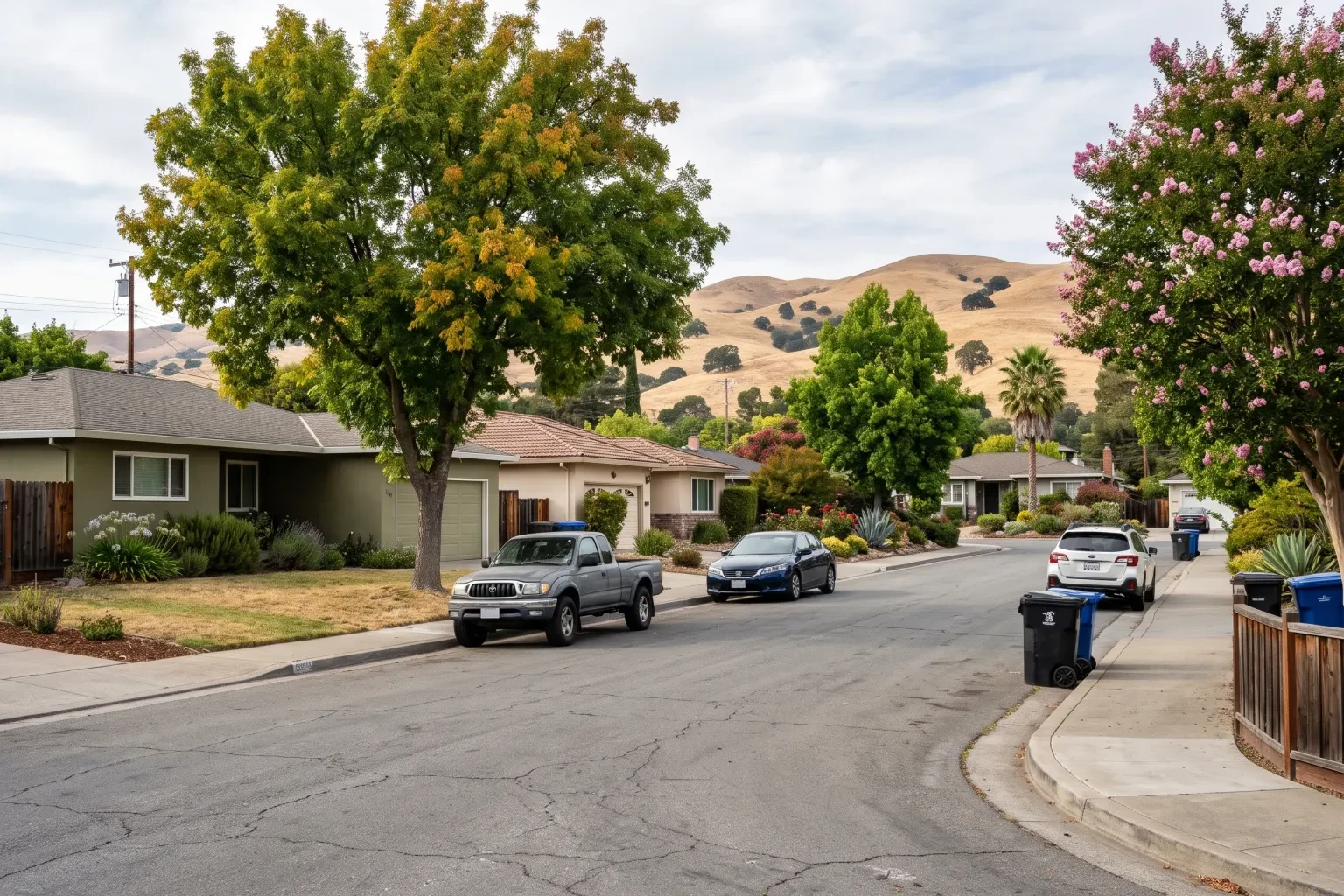
The Santa Clara Valley has a Mediterranean climate, with dry summers and mild, damp winters. Inland and southern parts of the valley run noticeably hotter in summer than areas closer to the Bay. That means equipment here sees a different kind of wear than equipment in harsher climates. Air conditioners may sit idle for months and then run hard during a hot stretch, which is often when a weak capacitor or a low refrigerant charge finally shows up. Furnaces and heat pumps run on cool, damp mornings and evenings rather than in deep cold.
Because winters are mild, a heat pump can handle heating for most Loyola homes, and it also provides cooling from the same equipment. That combination is one reason many homeowners here look at heat pumps when an old furnace or AC unit needs replacing. Dry summers also mean dust builds up in filters and ducts, so regular filter changes and periodic duct cleaning help both comfort and indoor air quality.
Bay Area Rules and Your Next Furnace or Water Heater
If you have a gas furnace in Loyola, it helps to know where Bay Area Air District rules are heading. Under Rule 9-4, natural gas furnaces manufactured from 2029 must meet a zero-NOx emission standard. In practice, that points homeowners toward heat pumps when a furnace is replaced after that date.
These rules do not require you to replace equipment that is still working. They apply only when an existing furnace or water heater fails or is replaced. If your furnace runs well today, you can keep repairing and maintaining it. If it is aging, it is worth thinking ahead so you are not choosing a replacement in a rush after a breakdown.
For small water heaters, the zero-NOx date under Rule 9-6 was set for 2027, and the Air District Board is considering amendments in November 2026 that could delay it. Check the current rule before you plan a water heater replacement.
Heat Pump Incentives: What Applies Now
The federal Energy Efficient Home Improvement Credit (25C) covered qualifying heat pumps placed in service before December 31, 2025. It is not available for new installations after that date, so do not count on it for a project you are planning now.
Bay Area homeowners can still check BayREN and their local clean energy provider for current heat pump and electrification incentives. Amounts and availability change by funding cycle, so we confirm the current offer before we include it in any quote.
Maintenance That Fits Loyola's Seasons
With mild winters and dry summers, the simplest plan is a cooling check before summer heat arrives and a heating check before the damp season. During maintenance we clean and inspect the components that most often cause breakdowns, check airflow, and point out anything that looks like it is wearing out. For homes with dust or allergy concerns, we can also look at filtration and other indoor air quality options.