The short answer
For most Campbell homes, the right AC installation starts with a proper load calculation, a check of your ducts and electrical panel, and a decision between central AC and a heat pump. Heat pumps are worth a close look because they handle both cooling and heating, and future Bay Area furnace rules point in that direction.
Installing air conditioning in Campbell comes down to fit: a system sized for your house, a setup that works with your existing ducts and electrical service, and equipment that makes sense as Bay Area appliance rules change. NextLevel AC Repair Service installs central air conditioners and heat pumps for homes in Campbell (95008), about 10 miles west of our San Jose base. This page explains what we look at before recommending a system, how central AC compares with a heat pump, and what to expect on installation day.
Sizing a System for a Campbell Home
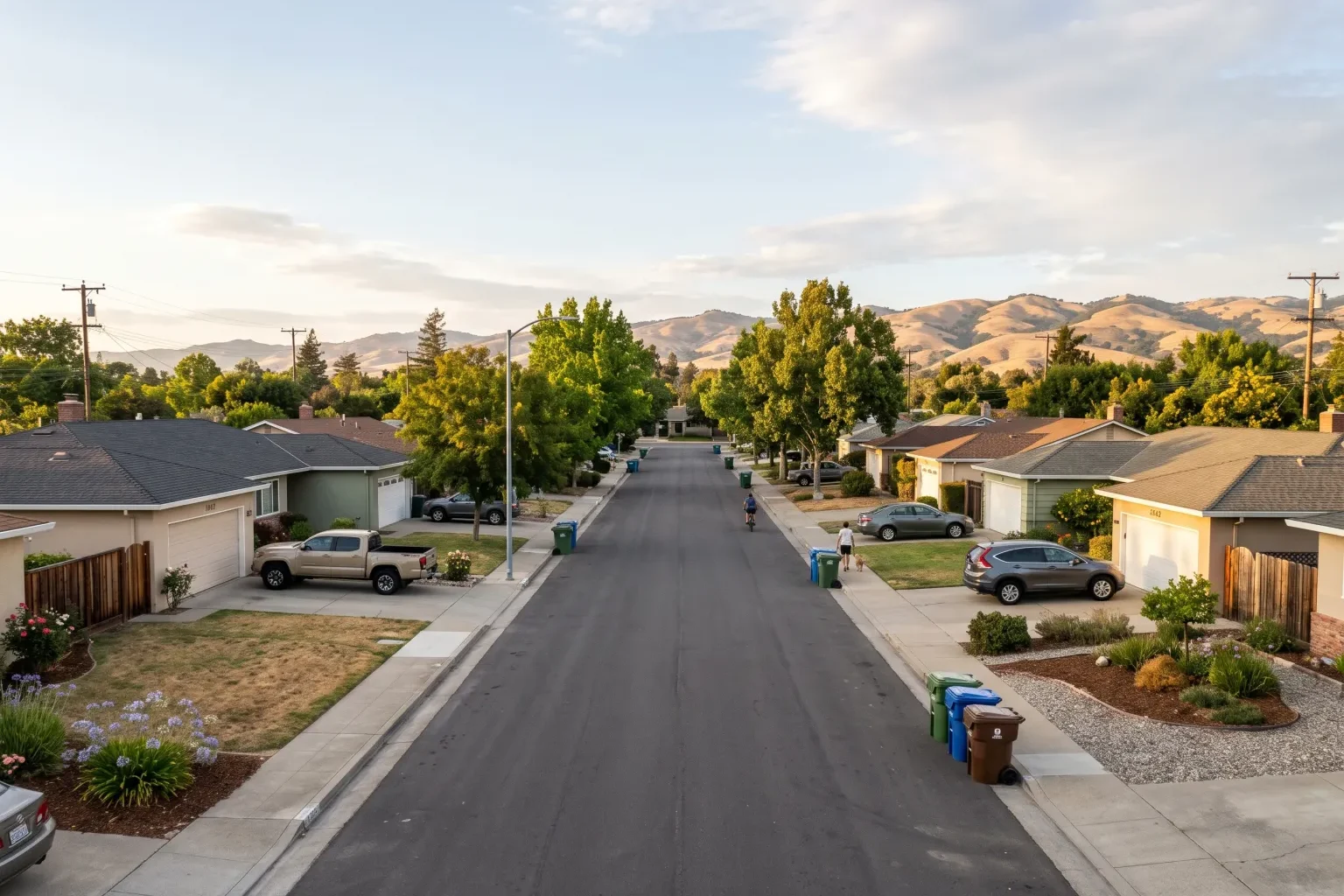
The Santa Clara Valley has dry summers and mild, damp winters, and the inland and southern parts of the valley run noticeably hotter in summer than areas near the Bay. Campbell sits away from the Bay's cooling influence, so summer afternoons can push an undersized system to run nonstop while an oversized one cycles on and off without pulling enough moisture out of the air.
Instead of matching the size of your old unit or estimating by square footage alone, we run a load calculation. It accounts for insulation, window size and direction, ceiling height, air leaks, and how many people live in the home. A single-story house with big west-facing windows can need a different system than a two-story home of the same size with good shade. Getting this right affects comfort, noise, energy use, and how long the equipment lasts.
Central AC or Heat Pump?
A central air conditioner only cools and works alongside a gas furnace for heat. A heat pump looks much like an AC condenser outside, but it can run in reverse to heat your home too. With Campbell's mild winters, a heat pump can cover heating for much of the year.
Bay Area rules are part of this decision. Under the Air District's furnace rule, natural gas furnaces made from 2029 on must meet a zero-NOx standard, which in practice points homeowners toward heat pumps when a furnace is replaced after that date. The rules don't require you to replace working equipment. They only apply when an existing furnace fails or is replaced. If your furnace is aging and you're installing new cooling anyway, it can make sense to plan for heat pump heating now rather than replacing equipment twice. If your furnace is newer, a central AC that pairs with it may be the simpler choice. We'll explain the tradeoffs for your situation.
What We Check Before Installing
A new outdoor unit is only one part of the system. Before recommending equipment, we look at the parts of your home it has to work with.
- Ductwork: leaks, crushed or disconnected runs, and whether duct sizes can carry the airflow the new system needs
- Electrical panel: available capacity and whether a new circuit is needed, especially for homes adding cooling for the first time
- Outdoor unit placement: clearance, airflow, distance from windows and property lines, and noise toward neighbors
- Indoor unit and coil: fit with the existing furnace or air handler, plus access to the condensate drain
- Thermostat: compatibility with the new system, including heat pump controls if you go that route
- Homes without ducts: ductless mini-split options when adding ducts isn't practical
What Installation Day Looks Like
Most replacements on homes with usable ductwork are finished in a day. New installations or jobs that need duct or electrical work can take longer, and we'll tell you that up front. Here's the usual sequence:
- Protect floors and work areas, then shut off power and safely recover refrigerant from the old system
- Remove the old outdoor unit and indoor coil
- Set the new outdoor unit on a level pad and install the matched indoor coil or air handler
- Connect refrigerant lines, pressure-test for leaks, and evacuate the lines before charging
- Wire the system and thermostat, then start it up and check airflow, temperatures, and refrigerant charge
- Walk you through the thermostat settings and filter location, and explain routine maintenance
Rebates, Incentives, and Tax Credits
The federal Energy Efficient Home Improvement Credit covered qualifying heat pumps placed in service before December 31, 2025. It isn't available for new installations after that date, so don't count on it for a project now.
Local programs may still help. Campbell homeowners can check BayREN and their local clean energy provider for current heat pump and electrification incentives. Amounts and availability change by funding cycle, so we confirm the current offer before including it in any quote.
More services in Campbell
- AC Repair in Campbell
- Heating Repair in Campbell
- Heat Pump Installation in Campbell
- Furnace Repair in Campbell